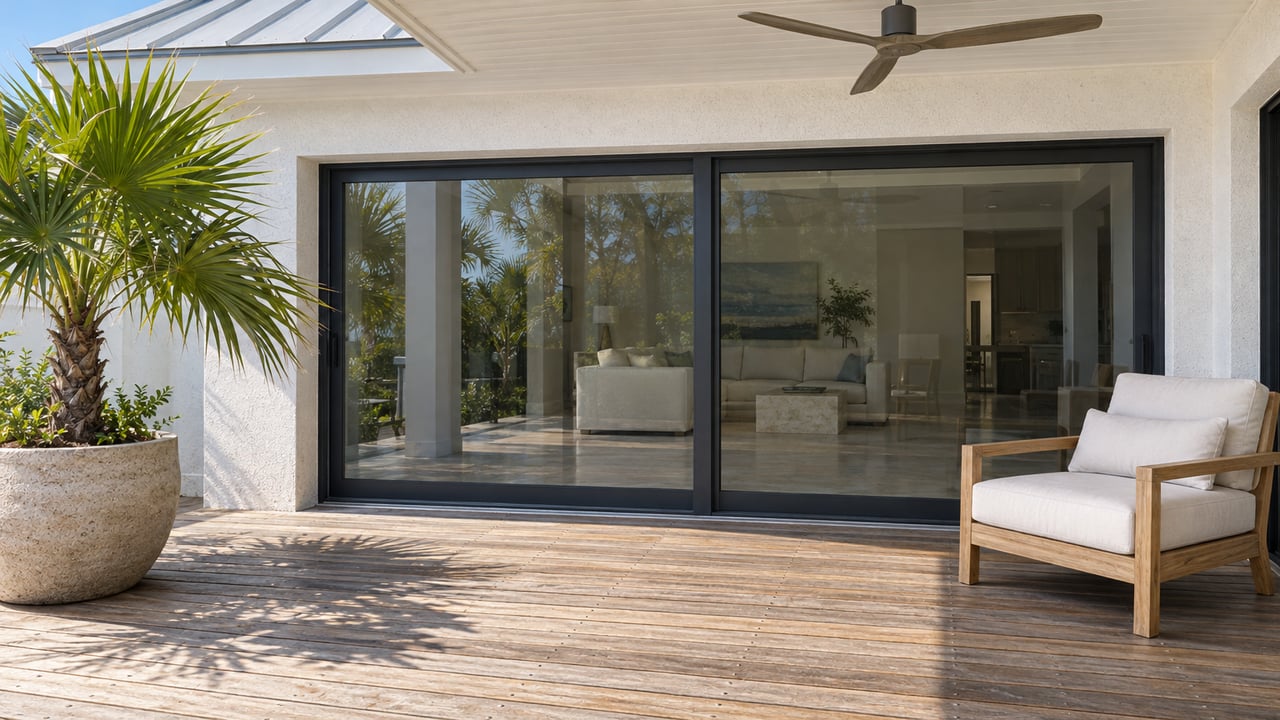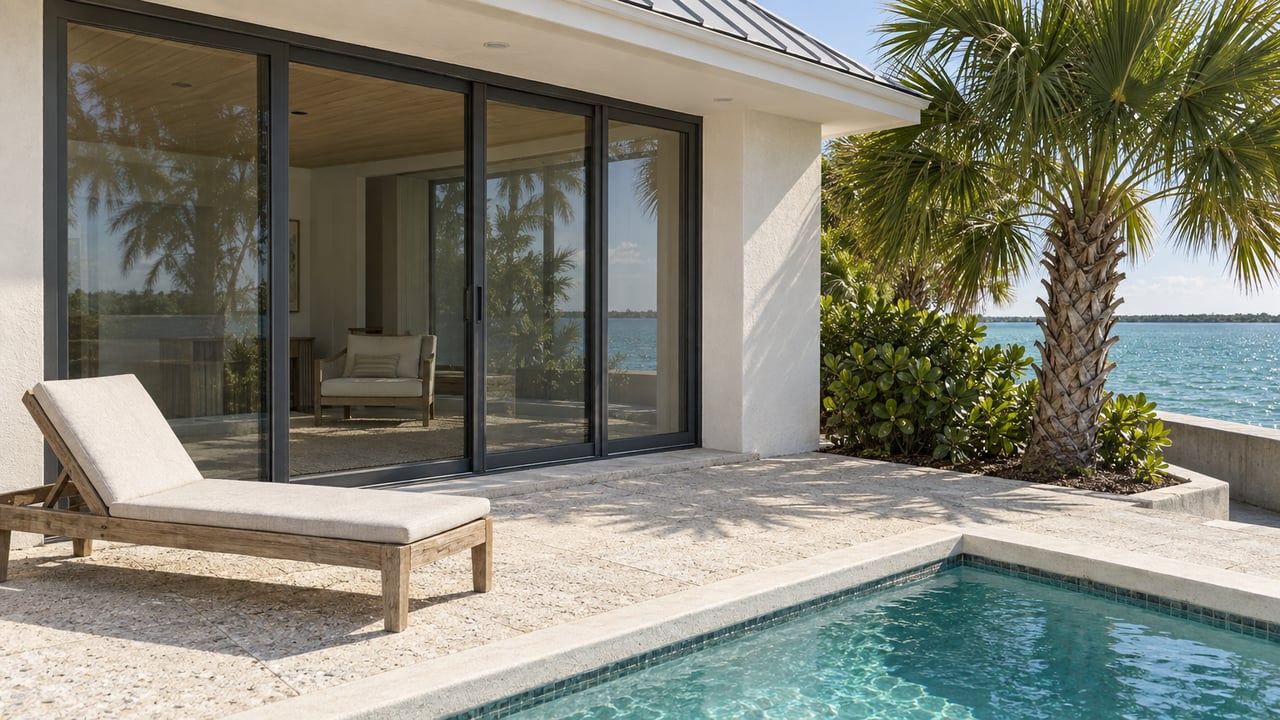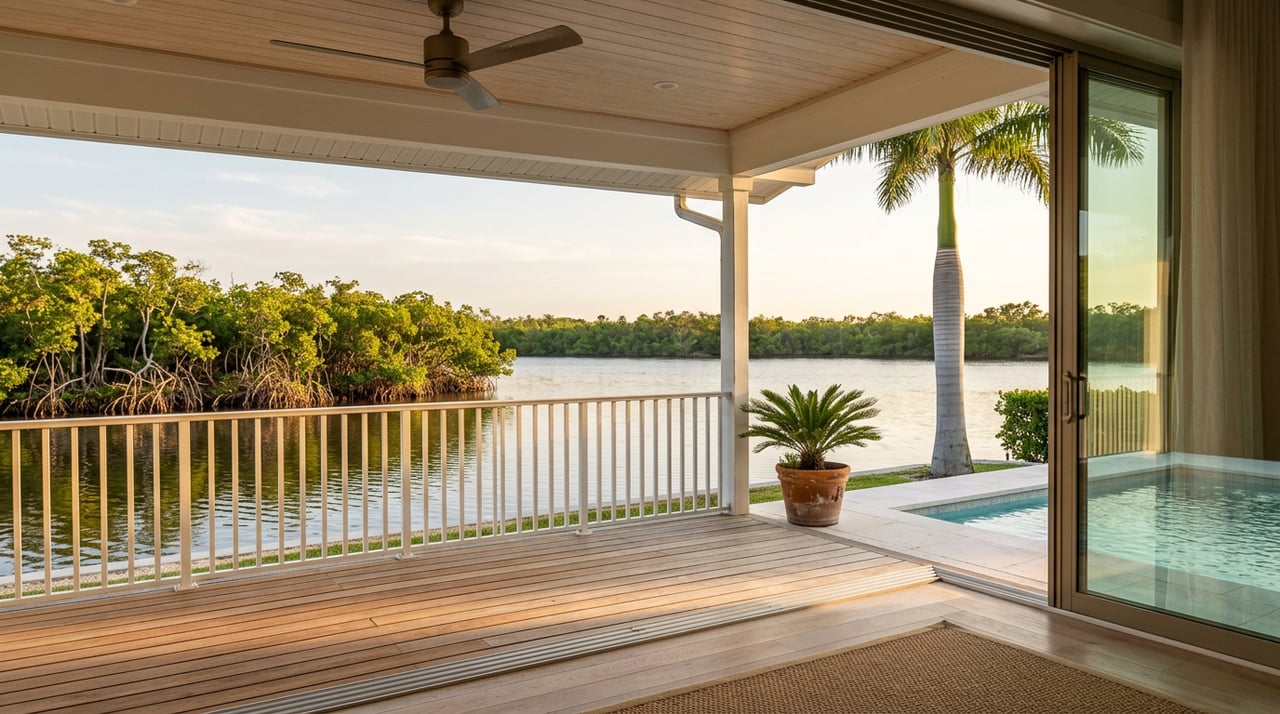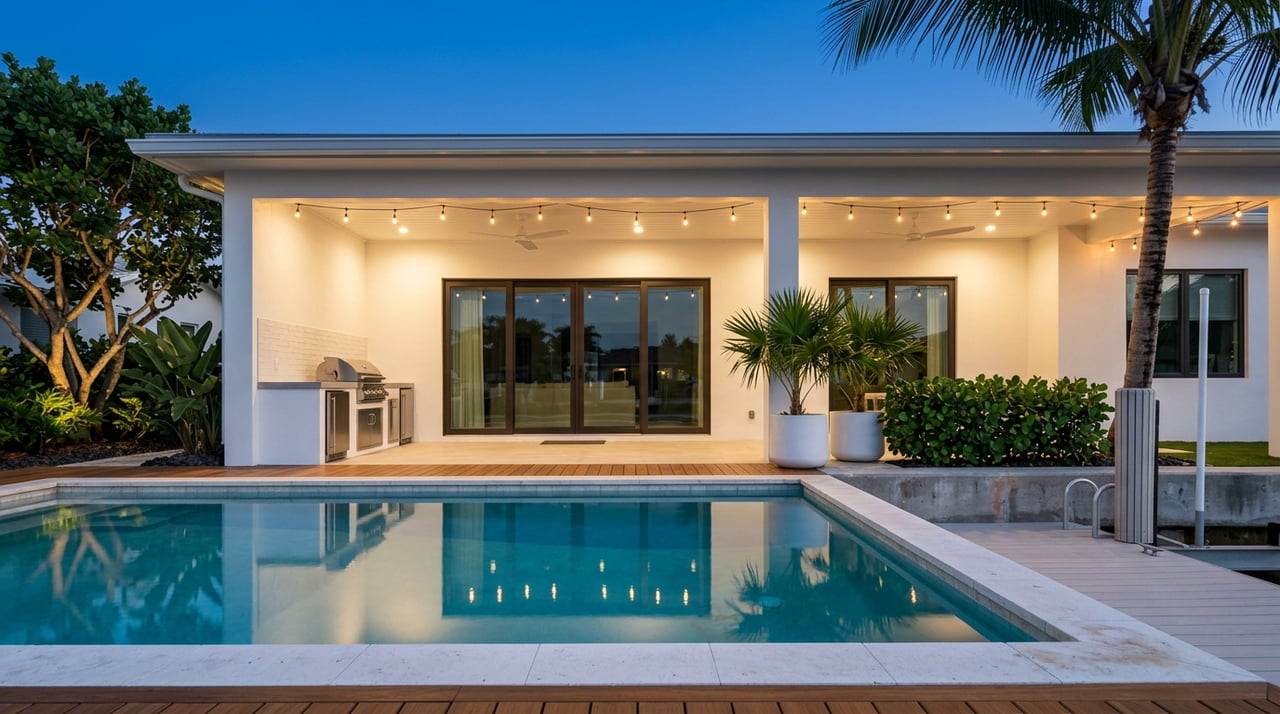
A vacation home in Key Colony Beach can offer the laid-back waterfront lifestyle many buyers want, but it also comes with real ownership details you need to understand before you buy. If you are thinking about a second home here, you are likely balancing lifestyle goals with practical questions about rentals, taxes, storm planning, and day-to-day use. The good news is that Key Colony Beach is a market built around water-oriented living, and with the right due diligence, you can buy with more confidence. Let’s dive in.
Why Key Colony Beach Appeals
Key Colony Beach is shaped by a land-development code that supports low-rise, water-oriented living. The city includes districts for detached one-unit homes, two-unit homes, multiunit residences, a resort-hotel district, and a neighborhood business district that supports marinas.
That framework matters when you are shopping for a vacation property. It helps explain why buyers are often drawn to homes and residences that connect closely to boating, outdoor living, and easy access to the water.
The city also permits accessory uses such as private docks or piers, pools, and tennis courts in the right contexts. For many second-home buyers, those features are not just nice extras. They are part of what makes owning in Key Colony Beach feel distinct from owning in other coastal markets.
Know the Main Ownership Formats
Before you narrow your search, it helps to understand how the city commonly classifies vacation properties. Key Colony Beach’s current vacation-rental fee structure separately identifies single-family and duplex units, condo and co-op units, and long-term rentals.
That tells you something important about the local market. These are the main ownership and use formats the city is actively set up to regulate, so your purchase decision should start with how you plan to use the property.
If you want a private retreat with more room for guests, a single-family or duplex property may fit your goals. If you want a more lock-and-leave setup, a condo or co-op may deserve a closer look. If you are considering any rental strategy, the exact property type matters because the compliance path is not one-size-fits-all.
Think Through Your Use Plan First
One of the biggest mistakes second-home buyers make is choosing the property before choosing the ownership strategy. In Key Colony Beach, your personal-use goals, rental plans, and operating expectations should all be clear before you go under contract.
Ask yourself a few key questions:
- Will you use the home mainly in winter and spring?
- Do you plan to rent it when you are away?
- Do you want a low-maintenance setup or a larger waterfront property?
- Will you need space for a boat, trailer, or extra gear?
- Are you comfortable with annual licensing and compliance requirements if you rent it?
These answers can shape everything from property type to carrying costs. They can also help you avoid buying a home that looks perfect online but does not work well for how you actually plan to own it.
Renting Out a Vacation Home
If rental income is part of your plan, Key Colony Beach is not a casual market. The city’s short-term rental framework is detailed, and buyers should treat that as a major due-diligence item rather than an afterthought.
According to the city, vacation-rental applicants must have Monroe County business tax, Key Colony Beach business tax or rental license, a Florida hotel or motel license, Florida sales-tax registration, an annual city inspection, and no unresolved wastewater bills or code fines before a vacation-rental license can be issued. The city business tax receipt is renewed annually and due each September 30.
This means a rental-ready property is not just about furnishings and marketing. It is also about keeping the property in compliance and maintaining the paperwork and local structure the city requires.
Local Contact and Management Rules
The city formalizes the management side of short-term rentals. A property manager or local contact must hold a city Certificate of Completion, and that local contact must be able to reach the property within one hour of city notification.
The current certificate packet ties that certification to a $150 payment. For out-of-area owners, this is especially important because you will need a reliable local arrangement in place if you plan to rent the property.
Occupancy and Minimum Stay Limits
Rental rules also affect how you can market and use the home. The city caps occupancy at two persons per bedroom plus two in a living room, with a gross maximum of 10 and a square-footage limit.
The city’s violation schedule also penalizes short-term vacation rentals without a license and rentals of less than seven days. If you are buying with rental potential in mind, those rules should be reviewed early so your expectations match the property’s legal operating limits.
Understand Tax Filing Duties
Rental ownership in the Keys also brings tax responsibilities that continue even when the home is not occupied. Monroe County states that transient accommodations rented for six months or less must file monthly tourist-tax returns, even if no rentals occurred during that period.
The county levies a 5% tourist development tax, and state sales-tax obligations also apply. For second-home buyers, this is a practical reminder that rental ownership involves ongoing administration, not just peak-season bookings.
Weather and Seasonal Use Patterns
Climate is part of the appeal of owning in Key Colony Beach, and it also shapes how many owners use their second homes. Official Florida Keys tourism materials describe winter as dry and mild, with average peak summer highs around 89 degrees Fahrenheit.
Hurricane season runs from June 1 through November 30. In practical terms, many owners find winter and spring especially comfortable for personal use, while late summer and fall call for more storm-readiness and planning.
Storm Risk and Evacuation Reality
Storm planning is not optional in the Florida Keys. Monroe County places Key Colony Beach in evacuation Zone 3, covering MM 40 to MM 63.
The county also states there are no Category 3, 4, or 5 shelters in Monroe County. If a major storm threatens, evacuation becomes mandatory for everyone.
For a second-home owner, this affects more than your travel calendar. It can influence insurance decisions, property preparation routines, caretaker arrangements, and how quickly you can secure the home if you live outside the Keys.
Flood Risk and Insurance Questions
Flooding is one of the most important ownership issues to understand before closing. Monroe County says all of the county is in a floodplain, and flood damage is not covered by standard homeowner’s insurance.
The county also notes that king tides can cause seasonal tidal flooding from September through December. Owners are advised to speak with an insurance agent about flood coverage, which makes insurance review a critical part of your purchase planning.
For many buyers, the key takeaway is simple. Do not treat insurance as a final checklist item. In Key Colony Beach, flood risk, storm exposure, and ongoing coverage costs should be part of the conversation from the start.
Do Not Assume Homestead Status
If you are buying a vacation home, it is important to understand how Monroe County treats homestead. The Monroe County Property Appraiser states that homestead requires Monroe County legal domicile and residence on the property.
Rental property does not qualify for homestead treatment. A partial rental of a primary residence may receive a prorated exemption, but buyers should not assume a second home will receive the same tax treatment as a primary residence.
That distinction matters when you estimate carrying costs. A property that works beautifully as a lifestyle purchase may have a different tax profile than you first expect.
Everyday Rules Matter Too
Vacation-home ownership is not only about the purchase price and the view. Local rules can affect how convenient the property feels once you own it.
Key Colony Beach limits on-property parking to one RV, boat, trailer, or similar item per dwelling unit. Boat trailers may not extend into the right-of-way, and the city prohibits living aboard vessels even for one night.
The city also limits pets to two per property. If your ideal ownership plan includes boating equipment, extra storage needs, or multiple animals, those details are worth reviewing before you commit.
A Smarter Way to Buy in Key Colony Beach
The right vacation home in Key Colony Beach can deliver both enjoyment and long-term value, but the strongest purchases usually come from careful planning. Property type, rental licensing, storm readiness, flood insurance, tax treatment, and everyday use rules all deserve attention before closing.
That is especially true in a market where lifestyle and logistics are so closely connected. When you understand how you want to use the property and what the city requires, you can make a more informed decision and avoid expensive surprises later.
If you are considering owning a vacation home in Key Colony Beach, working with an advisor who understands the Florida Keys at a local level can make the process far smoother. To explore opportunities with a clear, informed strategy, connect with Lisa Swanson.
FAQs
What makes Key Colony Beach appealing for a vacation home?
- Key Colony Beach is oriented toward low-rise, water-focused living, with property types and land uses that support docks, pools, and marina-connected lifestyles.
Can you rent out a vacation home in Key Colony Beach?
- Yes, but short-term rentals are heavily regulated and require specific licenses, tax registrations, annual inspection, and compliance with city rules.
What are the short-term rental stay limits in Key Colony Beach?
- The city penalizes rentals of less than seven days, so buyers should confirm that their rental plans align with local rules.
What taxes apply to Key Colony Beach vacation rentals?
- Monroe County says transient accommodations of six months or less must file monthly tourist-tax returns, and the county levies a 5% tourist development tax alongside state sales-tax obligations.
Is Key Colony Beach in a flood zone?
- Monroe County says all of Monroe County is in a floodplain, so flood risk and flood-insurance planning are important parts of ownership.
Can a Key Colony Beach vacation home qualify for homestead exemption?
- Monroe County says homestead requires legal domicile and residence on the property, and rental property does not qualify for homestead treatment.