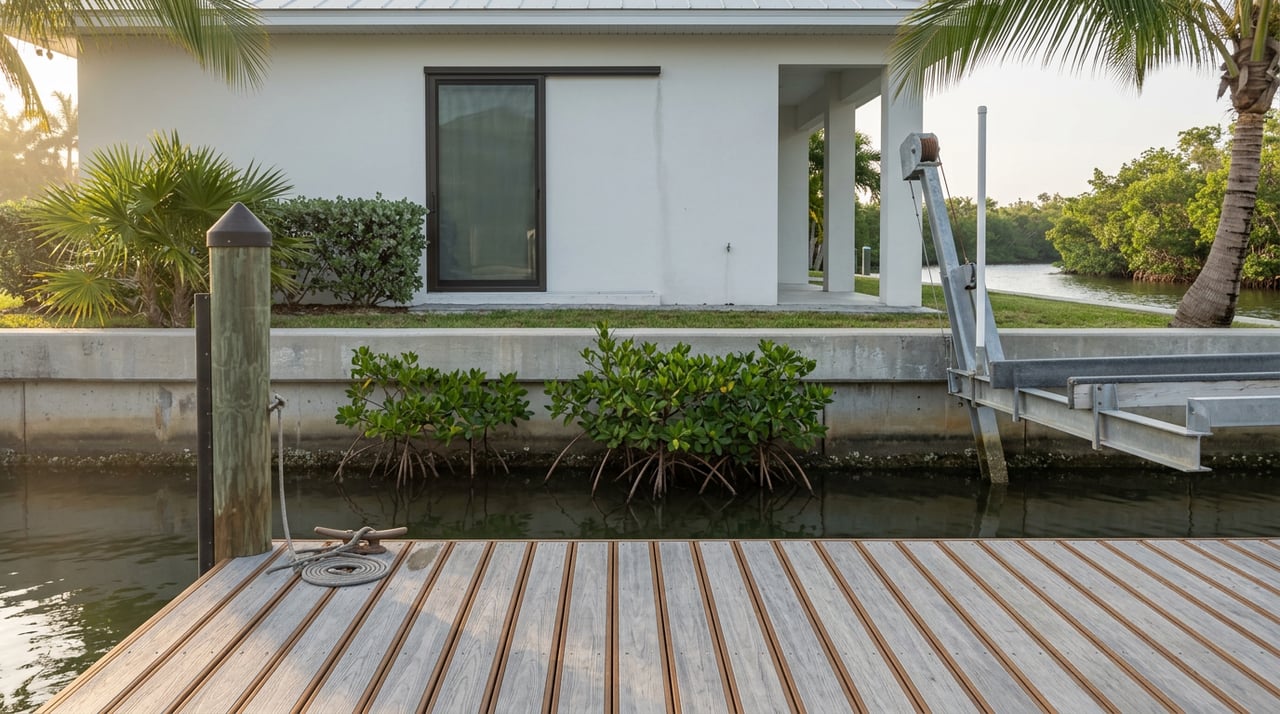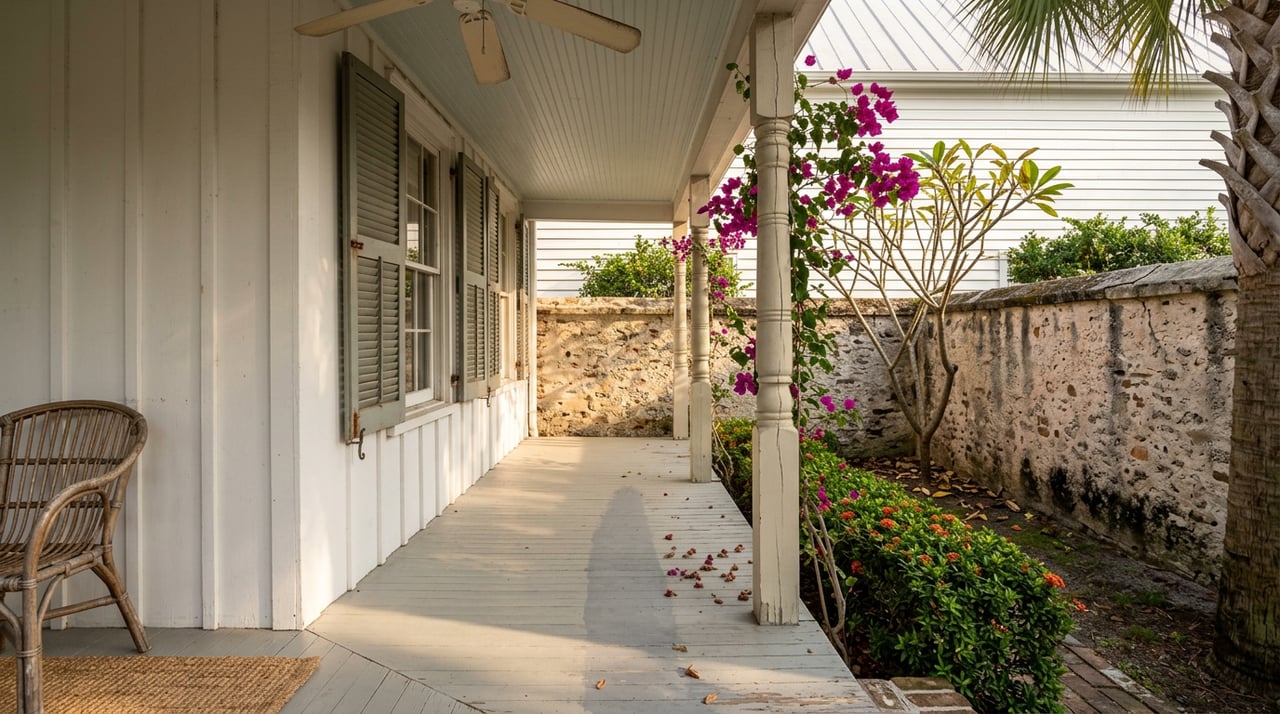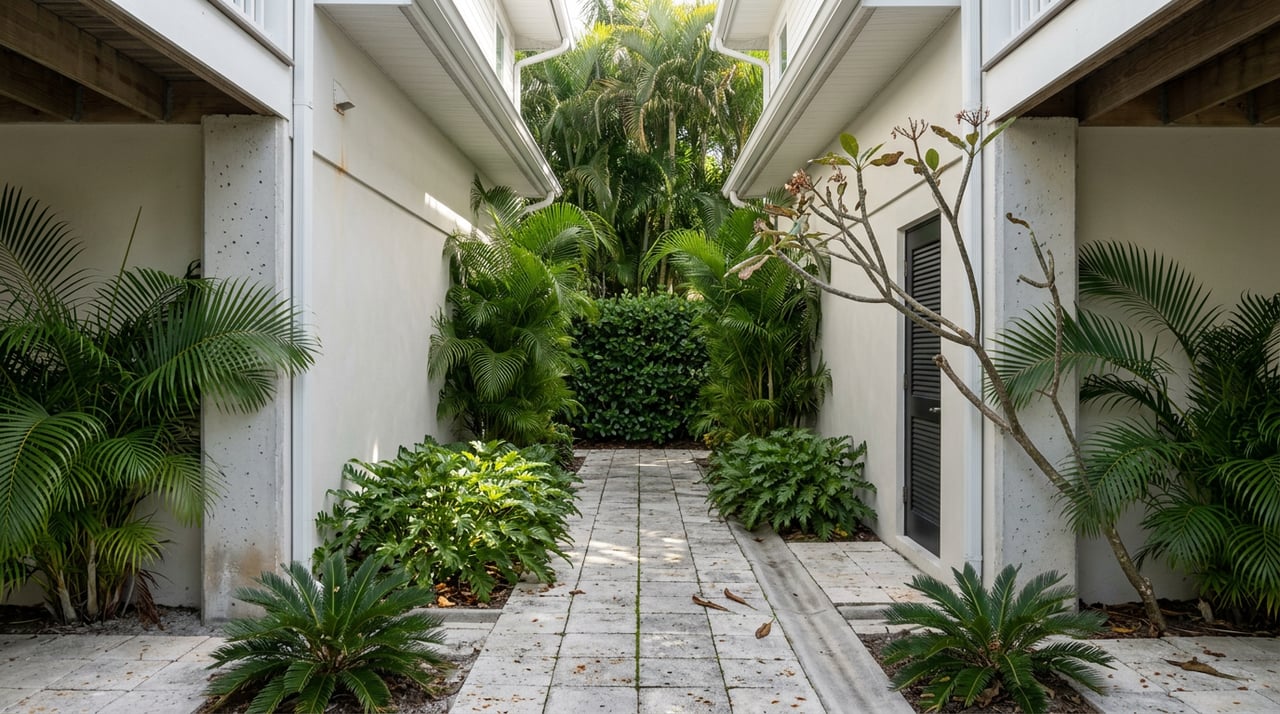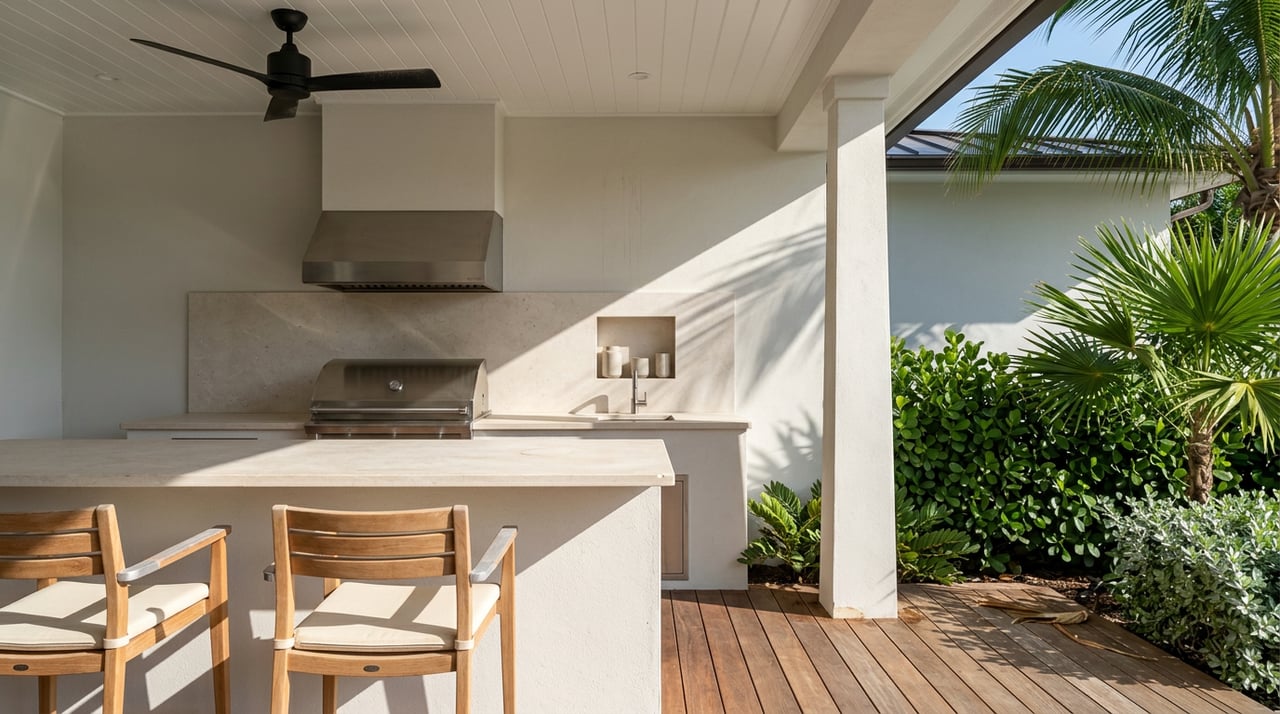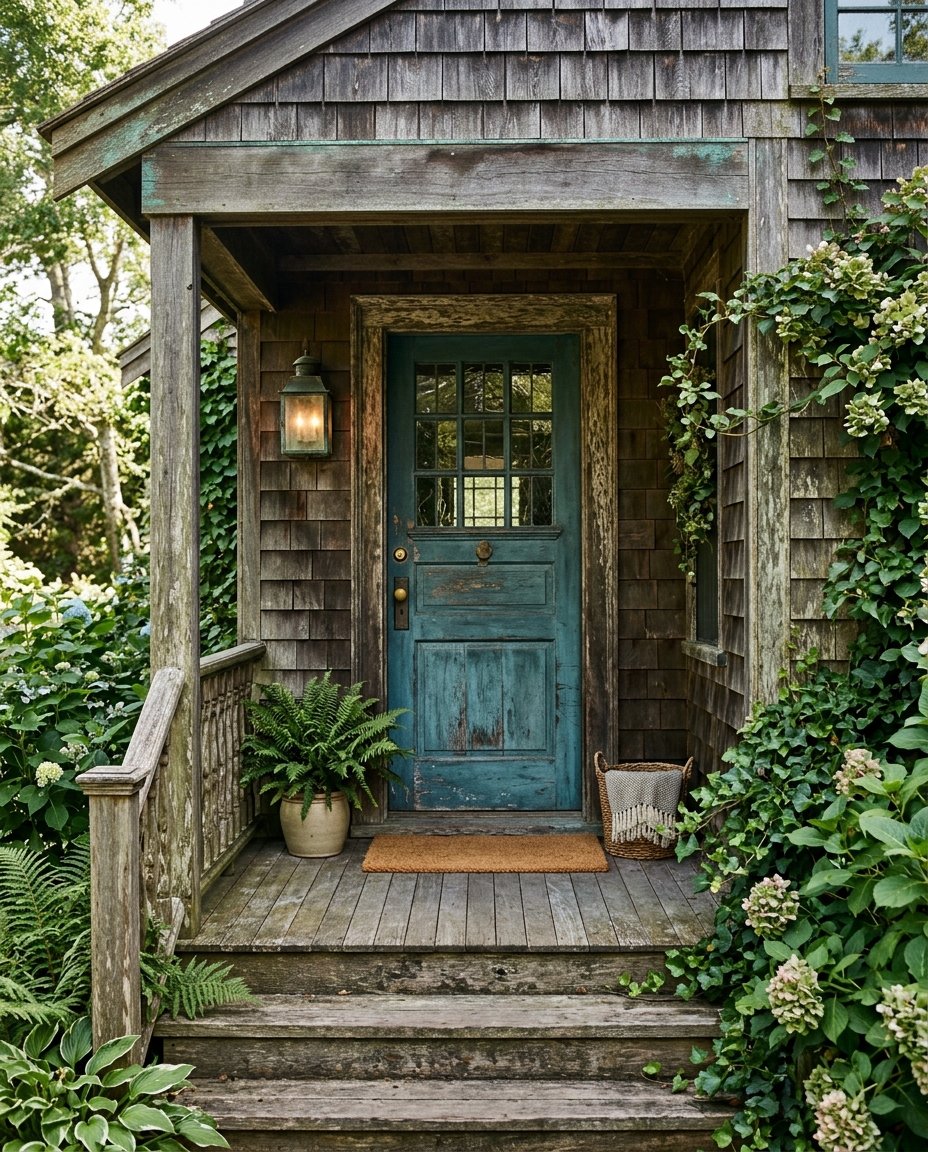
Are you drawn to the idea of owning a beautifully preserved Old Town home in Key West, but unsure how historic rules, flood factors, and renovation limits could affect your plans? That hesitation is understandable. Buying a historic luxury home here is about more than style and location. It is also about knowing what you can change, what you need to preserve, and how to evaluate the property with care. This guide will help you understand the key details so you can move forward with more clarity and confidence. Let’s dive in.
Why Old Town homes are different
Old Town is not just a popular part of Key West. It sits within the city’s historic preservation framework, where the Historic Architectural Review Commission, or HARC, helps oversee the character, integrity, and appearance of the historic preservation districts.
That matters because buying here means stepping into a market shaped by preservation standards, not just buyer preferences. In practical terms, the home’s status can affect renovation options, exterior changes, and how future work is reviewed by the city.
Know the difference: historic vs. contributing
One of the most important details to confirm early is whether a property is simply considered historic or whether it is classified as a historically contributing structure. In Key West, a historic building is generally 50 years old or older, but only historically contributing structures may qualify for FEMA historic-building exemption treatment.
This distinction can affect what can be altered and whether certain substantial-improvement relief may apply. If you are considering updates after closing, this is not a minor technical detail. It should be part of your pre-offer review.
What defines a classic Old Town luxury home
Many of Old Town’s most recognizable homes reflect the Conch or Bahama house tradition. These homes were often wood-built by ship carpenters and are known for wide porches, slender columns, shutters, high ceilings, and high-peaked roofs designed to collect rainwater in cisterns.
You may also see later historic homes with more masonry and brick, especially after the 1886 fire. Whether wood-frame or masonry, these properties are valued in part for the architectural features that help define the district’s visual identity.
Why charm can limit easy changes
The same features that make Old Town so appealing can also make renovation more complex. Exterior changes are tightly regulated, and additions are expected to be subtle, visually compatible, and, where possible, reversible.
For buyers, that means truly easy-to-modernize historic inventory can be limited. If you want a home that preserves period character while supporting modern comfort, you will want to look closely at how past improvements were handled and what your own long-term plans would require.
What restoration usually involves
Wood exteriors need careful matching
Historic houses in Key West are often wood construction, and the city expects preservation and repair of wooden features. If a contributing structure has replacement siding, it generally must match the original siding.
Non-wood cladding is typically limited to new structures, noncontributing structures, or non-historic additions. So while updates are possible, they are usually guided by both appearance and material compatibility.
Shutters and windows matter more than you think
In Old Town, shutters are not just decorative accents. The city treats them as character-defining features and says historic shutters should be retained and repaired whenever possible.
The guidelines also prohibit non-functional decorative shutters on visible elevations of contributing buildings. Bahama shutters, louvered shutters, and solid-board shutters are all recognized as long-standing local features, so their design and function deserve close attention during your review.
Porches, stairs, and rooflines shape value
Porches, stairways, doors, and roof form all help create the historic rhythm of the street. On contributing buildings, porch reconstruction should duplicate the original entryway and porch, and concrete replacement stairs are not allowed.
Roof shapes are also expected to respect neighboring historic forms. The city further limits visible roof equipment and does not allow new residential roof decks or widow’s walks, which can be important if rooftop living space is part of your wish list.
Masonry homes require a different approach
If you are considering a masonry or stucco historic home, the maintenance conversation changes. The city warns that abrasive cleaning, non-permeable coatings, and incompatible replacement materials can permanently damage historic masonry.
That means repairs should use recognized preservation methods and, where needed, in-kind materials. Before buying, it is wise to understand not just what was renovated, but how that work was done.
What modern upgrades are realistic
Luxury buyers often want updated kitchens, refined baths, better climate control, and more functional indoor-outdoor living. In Old Town, those upgrades may be possible, but the city expects them to be handled with restraint.
New elements should be reversible where possible. Additions should stay lower than the original building, be placed on less public elevations, and minimize irreversible exterior change.
The city also encourages owners to consider whether interior reconfiguration can solve a space issue before expanding the exterior. If you need more usability, sometimes the best path is smarter interior planning rather than a larger footprint.
Why permits and approvals matter
A COA covers more than major remodels
A Certificate of Appropriateness, or COA, is required for a wide range of exterior work in the historic district. That includes new construction, fences, decks, signs, painting, repair, alteration, remodeling, landscaping, and exterior demolition.
For a buyer, this means even work that may seem cosmetic can have a city review component. It is important to understand whether prior exterior work received the right approvals and what future changes may trigger review.
Additions get close scrutiny
If expansion is part of your long-term vision, expect careful review. Key West says additions should attach to less public elevations, remain smaller and lower than the original building, and be evaluated in light of whether the same need could be met through interior changes.
The city also notes that additions can affect mass, symmetry, scale, and the relationship to neighboring buildings. In a district as visually consistent as Old Town, those details matter.
A smart Old Town due-diligence checklist
Before making an offer on a historic luxury home, ask for and review:
- The property’s historic-survey classification
- Permit history
- Any existing Certificates of Appropriateness
- A current survey
- Elevation data or elevation certificate, if available
- Flood-zone information
- Any map-change documents
- Details on what original materials remain
- Records showing whether replacements were done in kind
This information can shape your renovation options, insurance expectations, and ownership costs. It can also help you avoid surprises after closing.
Flood and insurance questions to ask early
Flood zones can vary by parcel
In Key West, most buildings and lots are in A zones, while shoreline parcels are usually in V zones. The city explains that Base Flood Elevation, or BFE, is the reference height for building elevation and flood insurance, and that most new or substantially improved buildings must be at least BFE plus one foot.
A current elevation certificate is often needed to determine a site’s height above sea level. In Old Town, flood mapping is not background information. It is a core part of due diligence.
Map details can affect costs
The city directs buyers to FEMA and local flood maps and notes that a FIRMette qualifies as an official FEMA flood-map document. Historical flood data is also available at the Building Department.
If a property sits near a flood-zone boundary, exact mapping and survey work can materially affect both insurance pricing and renovation plans. Two homes on the same block may not carry the same flood profile.
Flood insurance is separate
Flood damage is not covered by standard homeowners insurance. In Key West, residents are in an NFIP participating community, and flood insurance should be treated as its own budget line item.
Florida consumer guidance also notes that flood policies typically have a 30-day waiting period before taking effect. If you are planning a purchase timeline, that is worth factoring in early.
Key West has a local insurance advantage
The city reports a Class 5 Community Rating System score, which gives most residents a 25% discount on flood insurance policies. That is a meaningful local benefit, but it does not remove the need for property-specific quotes.
If a parcel falls in a Coastal A Zone, the city says enhanced V-zone-like construction standards apply, and floodproofing cannot be used as the primary flood-protection method. That can affect both improvement planning and cost expectations.
Wind protection still matters
Florida consumer guidance says homeowners policies generally cover windstorm, hurricane, and hail damage unless excluded in writing. It also notes that most lenders require windstorm coverage if there is a mortgage.
Construction details such as roof strength, roof-to-wall attachment, and opening protection can also matter for wind-mitigation credits. For a luxury buyer, these are not just insurance details. They can influence annual carrying costs.
Red flags to watch before closing
As you evaluate a property, pay close attention to a few common issues:
- Exterior work that appears newer but has no clear COA or permit trail
- Visible mechanical equipment that may conflict with HARC expectations
- Replacement materials that do not appear to match the original structure
- Planned additions that depend on highly visible exterior expansion
- Missing survey, elevation, or flood documentation
- Assumptions that standard homeowners insurance covers flood loss
None of these automatically kills a deal. They simply signal areas where deeper review is worth your time.
How to buy with confidence in Old Town
The best Old Town purchases usually balance three things well: architectural integrity, realistic modernization, and disciplined due diligence. If you understand the property’s classification, confirm how past work was approved, and get clear insurance and flood data before you commit, you put yourself in a much stronger position.
For many buyers, the reward is worth the extra care. A historic luxury home in Old Town can offer a level of design character, place, and long-term enjoyment that is difficult to replicate elsewhere in the Keys.
If you are considering a historic purchase in Key West, working with an advisor who understands both the market and the details can make the process far smoother. For tailored guidance on Old Town homes and luxury buying strategy across the Florida Keys, connect with Lisa Swanson.
FAQs
What should you verify before buying a historic home in Old Town Key West?
- You should verify the property’s historic-survey classification, permit history, any existing COAs, current survey information, elevation data, flood-zone details, and how prior exterior work was completed.
What is the difference between a historic and contributing property in Key West?
- In Key West, a historic building is generally 50 years old or older, while a historically contributing structure has a specific survey status that can affect alteration rules and possible FEMA historic-building exemption treatment.
What exterior changes require approval in Old Town Key West?
- A Certificate of Appropriateness is required for many types of exterior work, including painting, repair, remodeling, landscaping, decks, fences, demolition, and new construction.
Can you add modern features to a historic luxury home in Key West?
- Yes, many modern upgrades are possible, but they are expected to be discreet, visually compatible, and designed to minimize irreversible change to the historic exterior.
How does flood insurance work for Old Town Key West homes?
- Flood insurance is separate from standard homeowners insurance, and pricing can vary based on flood zone, elevation, and parcel-specific mapping details.
Why do shutters and porches matter when buying in Old Town Key West?
- Shutters, porches, stairs, and rooflines are considered important character-defining features in the historic district, so their condition, design, and prior alterations can affect future renovation options.