You want a Keys escape that helps pay for itself. In Islamorada, that is possible if you match the right property with the right plan and follow the rules closely. This guide walks you through licensing, taxes, market benchmarks, property features that drive bookings, and the underwriting steps you should take before you write an offer. Let’s dive in.
Quick take: What to verify first
- Confirm license eligibility with the Village. Ask Islamorada Planning to confirm your parcel’s zoning and assessed‑value threshold, and review the current application requirements and inspection checklist on the Village site.
- Document the seller’s rental status. Request the Village license, DBPR vacation rental license, 12 months of Monroe County TDT filings, and recent life‑safety inspection results before you rely on stated income.
- Underwrite conservatively. Use AirDNA for ADR and seasonality, then model 40–50% baseline occupancy with line items for taxes, management, insurance, and a hurricane reserve.
- Factor hazard exposure early. Pull FEMA flood maps, note hurricane season timing, and get Keys‑specific insurance quotes before you make an offer.
Licensing and permits in Islamorada
Village vacation rental license
Operating a vacation rental in Islamorada requires an annual Village Vacation Rental License. The application outlines a $1,325 fee, assessed‑value eligibility thresholds by zoning (2026 examples include $708,000 for RH/MU and $1,062,000 for RC/RL/A), proof of a Monroe County Tourist Development Tax account, a local business tax receipt, and a required life‑safety inspection. Review the current checklist and submission steps on the Village’s Vacation Rental License page to understand timing and documentation. Visit the Village guide for details on application items, inspections, and ongoing compliance.
- Read: the Village’s Vacation Rental License guide and forms on the Islamorada website.
See Islamorada’s Vacation Rental License requirements
State licensing (DBPR) overview
Florida treats frequent short‑term rentals as public lodging under Chapter 509. Many vacation rentals must hold a DBPR vacation rental license and comply with Division of Hotels and Restaurants rules. Confirm whether your specific property type requires a DBPR license and what inspections or certificates apply.
- Reference: Florida rule notices related to DBPR vacation rental classifications.
Review a DBPR rule notice reference
Taxes and registrations
In addition to state sales tax, Monroe County administers the Tourist Development Tax. Hosts must register, file, and remit the County’s TDT, regardless of what a booking platform may collect at the state level. Confirm registration and filing status to avoid audits or penalties.
- Learn more: the Monroe County Tax Collector’s TDT overview.
Monroe County Tourist Development Tax guidance
Zoning, license caps, and minimum stays
Not every zoning category in Islamorada is equally eligible for a vacation rental license. The Village applies different rules and assessed‑value thresholds to various designations, so you should verify your parcel’s FLUM and zoning allowances with Planning before you write an offer. Local code materials and summaries also reference a fixed license cap, minimum‑stay rules in many residential zones, and limited transferability, so it is prudent to confirm the current ordinance language and license availability directly with the Village.
- Check current ordinances and any updates posted by the Village.
HOA and condo restrictions
Even if the Village and state allow a vacation rental, your building or community may not. Condo declarations and HOA covenants often set minimum lease periods, frequency limits, or outright prohibitions. Florida law outlines how rental restrictions can be adopted and applied to owners in condominiums and HOAs, so read the full governing documents and any rental amendments before you underwrite income.
- Statutes to review for rental restrictions:
Florida Condominium Act, 718.110
Florida Homeowners’ Associations, Chapter 720
Market signals and seasonality
Public snapshots from AirDNA show Islamorada with average annual occupancy near the high‑40% range and an average daily rate around the high‑$600s. Recent summaries cite an ADR near $679 and occupancy near 48%, which you can use as a starting benchmark. For pricing and revenue modeling, pull an address‑level report and pack your model with monthly seasonality curves.
- Market data starting point:
Demand is strongly seasonal. Winter and early spring tend to concentrate weekly or multi‑week bookings, with lighter demand in summer and early fall. Hurricane season runs June through November, which can add volatility, preparedness costs, and occasional interruptions.
- Hurricane season timing and resources:
NOAA National Hurricane Center
Because many residential zones require weekly minimums, your pricing strategy should prioritize week‑long blocks rather than nightly discounting. That structure can improve turnover efficiency and guest expectations, especially in peak months.
Property and operations that move the needle
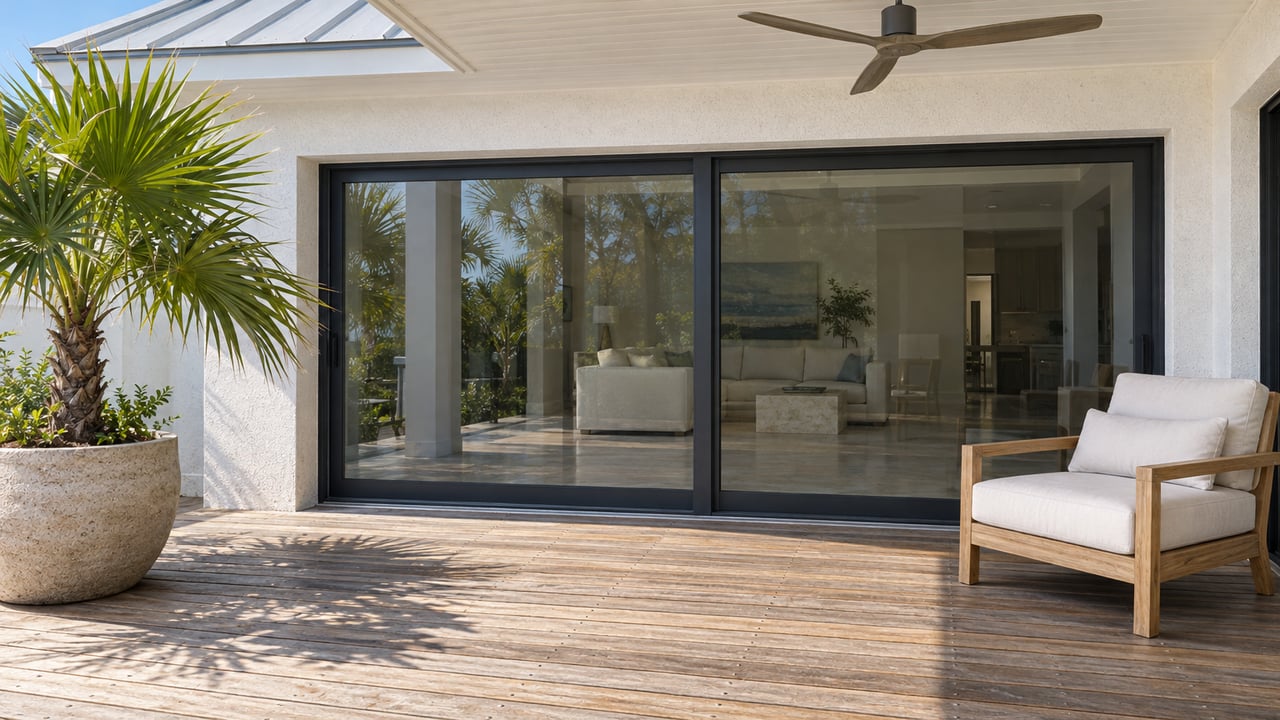
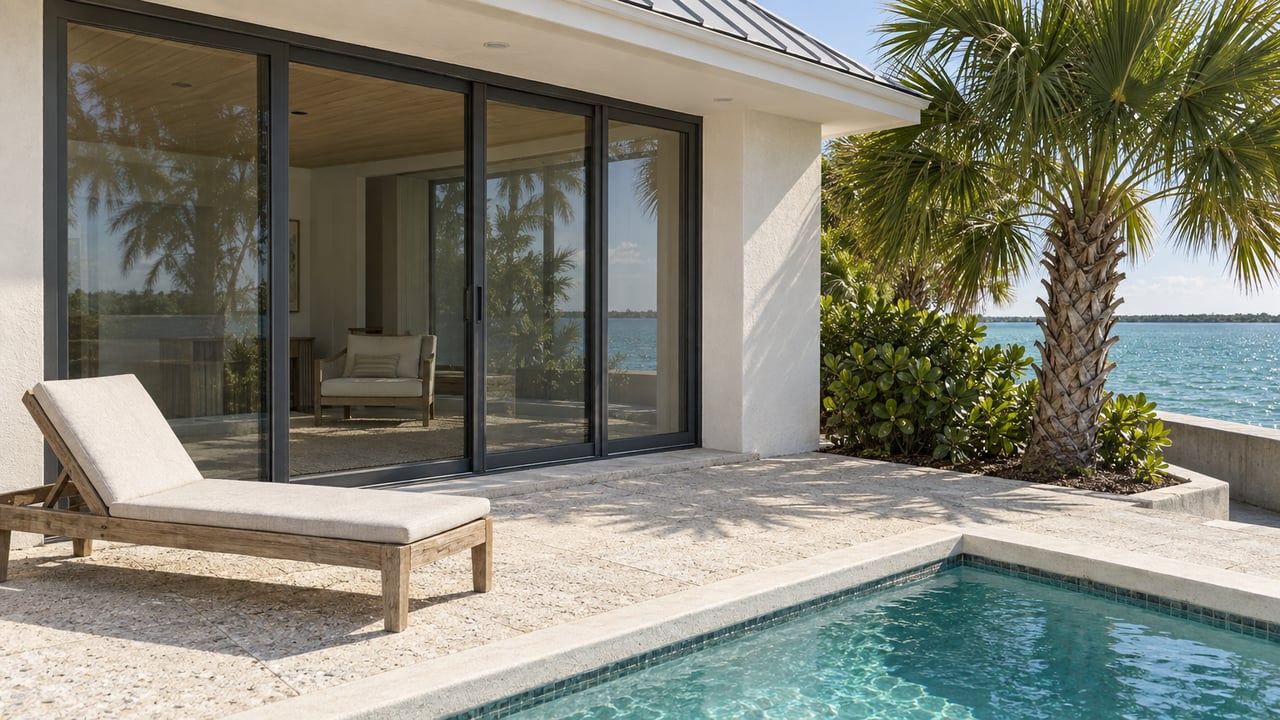
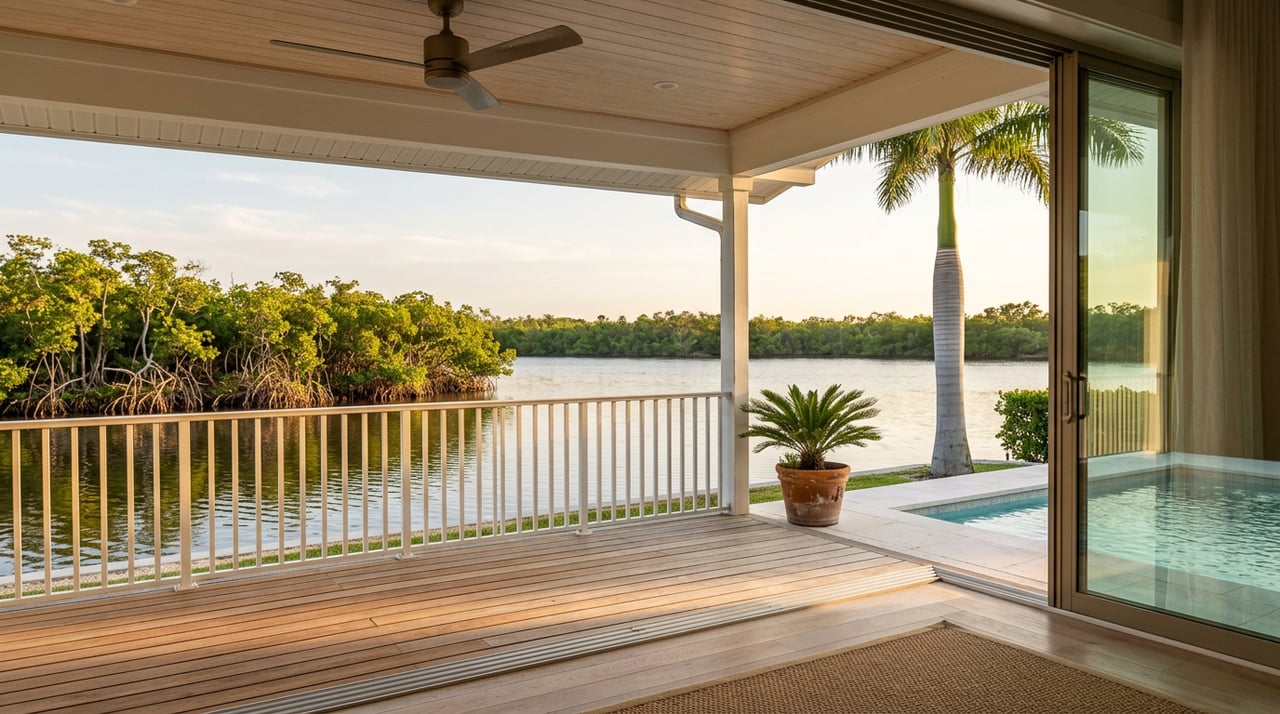
The highest‑performing Islamorada homes usually align with the Keys lifestyle. Waterfront location with a private dock or boat slip, safe and functional dockage, and clear rules on boat and trailer parking are top drivers. Guests also value outdoor living spaces, a quality kitchen, in‑home laundry, strong air conditioning, reliable high‑speed Wi‑Fi for remote work, and a pool or hot tub. Pet‑friendly policies, where allowed by your HOA and the Village, can widen your audience.
Safety and compliance are not optional. The Village requires a passed life‑safety inspection as part of license issuance, so plan for detectors, extinguishers, egress, pool safety items, and other checklist line items in your upfront budget. You will also need a designated local contact or property manager for guest support and code compliance. Budget 15–30% for professional management, plus higher cleaning costs for weekly turnovers.
- Compliance details and inspection checklists:
Islamorada Vacation Rental License requirements
Insurance, hazards, and utilities
Most Islamorada properties sit in FEMA‑mapped flood zones. If you buy in a Special Flood Hazard Area and use financing, your lender will likely require flood insurance. Add windstorm exposure, hurricane deductibles, and Keys‑specific insurance constraints to your underwriting. Get at least one quote that explicitly covers short‑term rental activity.
- Check your address on FEMA’s map portal:
Hurricane season runs June 1 through November 30, so plan for preparedness supplies, potential closures, and reserves for repairs. If the home uses septic or has legacy wastewater infrastructure, ask early about sewer tie‑ins or required upgrades. Some rental applications request proof of wastewater compliance, and those line items can impact your first‑year capex.
Underwriting the deal
Approach underwriting with three scenarios. Start with a conservative case around 40–50% annual occupancy at the local median ADR, a baseline case that reflects your property’s strengths, and an upside case if the asset is rare, waterfront, and professionally managed. Use AirDNA or a paid MarketMinder report to plot realistic monthly seasonality and rate bands.
Here is a simple illustration using public snapshot figures. If the market ADR is about $679 and you model 50% occupancy, that is roughly 183 booked nights, which implies gross room revenue near $124,000. From there, subtract Monroe County TDT and state sales tax, management at 15–30%, cleaning and utilities, insurance, routine maintenance, and a hurricane reserve of 1–3% of revenue. Stress‑test debt service against your conservative case and low‑season months.
Also align pricing with minimum stay rules. If your zone or building requires weekly minimums, build a weekly rate strategy and turnover cadence to match. Many operators use Saturday‑to‑Saturday calendars in peak periods to simplify housekeeping and guest flow.
Due diligence checklist before you offer
- Confirm zoning and license eligibility with Islamorada Planning. Ask for the parcel’s FLUM designation, whether vacation rental use is allowed, assessed‑value thresholds, and current license availability under any cap.
- Collect seller documents: the Village vacation rental license, DBPR license, 12 months of Monroe County TDT filings, local business tax receipt, recent life‑safety inspection report, HOA or condo governing documents with rental rules, and a recent P&L with booking exports.
- Verify transferability and timing. Many Village licenses are not transferable at sale. Confirm whether you will need to apply anew and whether any cap or allocation limits will affect timing.
- Validate tax compliance with the Monroe County Tax Collector. Confirm the property’s TDT account, filing history, and whether any audits or liabilities exist.
- Order insurance quotes that include STR coverage. Pull FEMA flood data and confirm wind and hurricane deductibles so you can budget properly.
- Inspect physical and operational items. Review dock, davits, seawall, parking capacity, septic or sewer tie‑in status, and any upgrades needed to pass life‑safety requirements.
- Model conservative, baseline, and optimistic cases. Use ADR and occupancy from AirDNA and subtract all taxes and expenses, including a hurricane reserve, to test cash flow resilience.
Helpful references:
Watch‑outs specific to Keys rentals
- Seller claims active STR but cannot produce a DBPR license or 12 months of Monroe County TDT receipts. That can signal tax risk or enforcement exposure.
- HOA or condo rules prohibit short‑term rentals, set long minimum lease periods, or require owner‑occupancy waiting periods. Read the governing documents and check state statutes for how restrictions apply.
- Dock, seawall, septic, or electrical systems require immediate upgrades to meet safety or rental standards. These items are common and can be costly in the Keys.
- Property sits in a high‑risk flood or coastal wave zone without recent mitigation or a clear plan to secure flood coverage and manage higher deductibles.
Sources for the above watch‑outs:
- Monroe County TDT guidance
- Florida Condominium Act, 718.110
- Islamorada Vacation Rental License requirements
- FEMA Flood Map Service Center
Work with a Keys advisor you can trust
Evaluating an Islamorada home with rental potential is both an investment decision and a lifestyle choice. You deserve data, a clear plan, and a smooth path from offer through licensing and first booking. If you want a seasoned Keys guide to help you source the right property, structure a compliance‑ready offer, and coordinate due diligence with local pros, connect with Lisa Swanson. You will get white‑glove service backed by deep local knowledge and a financial lens that helps you buy with confidence.
FAQs
What licenses do you need to operate a vacation rental in Islamorada?
- You need the Village’s annual Vacation Rental License, and many properties also require a state DBPR vacation rental license under Chapter 509.
How do Islamorada’s minimum‑stay rules affect pricing strategy?
- Many residential zones require weekly minimums, so you should focus on weekly rates and a turnover cadence that supports week‑long bookings.
What are typical occupancy and ADR benchmarks in Islamorada?
- Public AirDNA snapshots show occupancy near 48% and an ADR around $679, which you can use as a starting point before running address‑level comps.
Who remits the Monroe County Tourist Development Tax for short‑term rentals?
- The host is responsible for registering and remitting the County’s TDT, even if a platform collects some state taxes.
Are Village vacation rental licenses transferable when a property sells?
- Local summaries note limited transferability, so you should plan to confirm the current rule with Islamorada Planning and be ready to apply as a new owner.
How does hurricane season change underwriting for a Keys rental?
- Hurricane season runs June through November, so you should budget for potential closures, insurance deductibles, and a reserve for storm preparedness and repairs.