Thinking about selling your Duck Key home and wondering what really moves the needle with luxury buyers in the Middle Keys? You are not alone. Listing a high‑value, waterfront property here is different than selling on the mainland. In this guide, you will learn exactly how to prepare over 12 months, how to handle required Florida and Monroe County disclosures, which repairs and documents matter most, and how to coordinate showings if you rent your home. Let’s dive in.
Know the Duck Key market
Duck Key sits in the Middle Keys, where demand is driven by boating, water access and resort‑style living. The island’s appeal is tied to lifestyle and proximity to amenities, which attracts second‑home and investor interest.
Seasonality matters. Buyer traffic typically increases in winter when many second‑home buyers visit. Launching just before or during high‑season can boost eyes on your listing and shorten time to contract.
Public pricing portals often show different median figures for Duck Key. Treat those numbers as a starting point only. For best results, use a local MLS‑based comparative market analysis so you price precisely for your micro‑location, water access and permits.
What luxury buyers expect now
Today’s affluent buyers favor turnkey condition, indoor and outdoor living, resilient construction, and easy boating access. They also pay close attention to insurance, wind‑mitigation credits and documented maintenance. The more you can present a move‑in‑ready, boat‑ready home with clear paperwork, the stronger your position.
Legal and disclosure essentials
Florida requires a written flood‑history disclosure at or before contract signing. Complete the form and gather supporting records like flood insurance claims and receipts. You can review the statute that sets out the requirement in Florida Statute 689.302.
You must also disclose known latent defects that materially affect value and are not readily observable. This duty comes from Florida case law, so do not assume an “as‑is” label removes it. See the principle outlined in Johnson v. Davis.
If your home operates as a vacation rental, confirm your Monroe County permit status and advertising rules. Certain districts limit rentals under 28 days. Keep permits current and coordinate any showing blackout with your property manager. Review the County’s Special Vacation Rental Program.
Waterfront improvements are scrutinized. Work near the shoreline and modifications to docks, lifts or seawalls often require multiple approvals. Confirm permits, gather as‑built documents and consider a fresh engineer’s report. Start with the Florida DEP’s Coastal Construction Control Line guidance.
Buyers will ask about sewer connection. Duck Key falls under regional systems managed with the Florida Keys Aqueduct Authority. Have proof of connection and any assessment history ready using FKAA records such as the Duck Key wastewater project documentation.
Finally, verify your flood zone and elevation documentation. Many lenders require flood insurance in Special Flood Hazard Areas. Providing an elevation certificate and any map change letters reduces friction. Monroe County’s page points you to FEMA resources: Know Your Flood Risk.
Your 12‑month preparation plan
A structured plan protects time and maximizes price. Expect 8 to 12 weeks for most inspections, documentation and staging, plus added time if permits or marine work are needed.
Months 9–12: Advisors and records
- Engage a Keys luxury listing agent who knows Monroe County permitting, FKAA, and waterfront infrastructure. Ask about recent Middle Keys comps and how they position boating access and resilience in marketing.
- Order your paper trail: past permits, as‑built plans, HOA or POA rules, FKAA connection records, prior inspection reports and insurance claim numbers. Monroe County maintains document access like the Completed Permits listing.
- Commission a pre‑listing inspection that covers structure and roof, HVAC, electrical, plumbing, and—critically for Keys properties—dock and seawall. A seller‑side inspection helps you decide what to fix versus disclose and prevents late surprises. Learn more about why pros recommend it from this NAR pre‑listing inspection overview.
Months 6–9: Fix high‑impact items
- Prioritize repairs that can derail negotiations: roof integrity and permits, seawall and dock safety, mechanical failures, evidence of water intrusion, and electrical upgrades for lifts or generators. Where shore work is involved, consult a marine engineer and assemble permits or engineer opinions.
- Verify or update wind‑mitigation documentation. An official wind‑mitigation inspection using Florida’s OIR form can help lower insurance premiums for buyers. Review resources from the Florida Office of Insurance Regulation.
Months 3–6: Marketable improvements and staging
- Focus on high‑impact refreshes that reduce buyer objections: neutral paint, modern lighting, updated bath and kitchen fixtures, serviced A/C, and updated hardware. Aim for a cohesive, low‑maintenance look suited to coastal living.
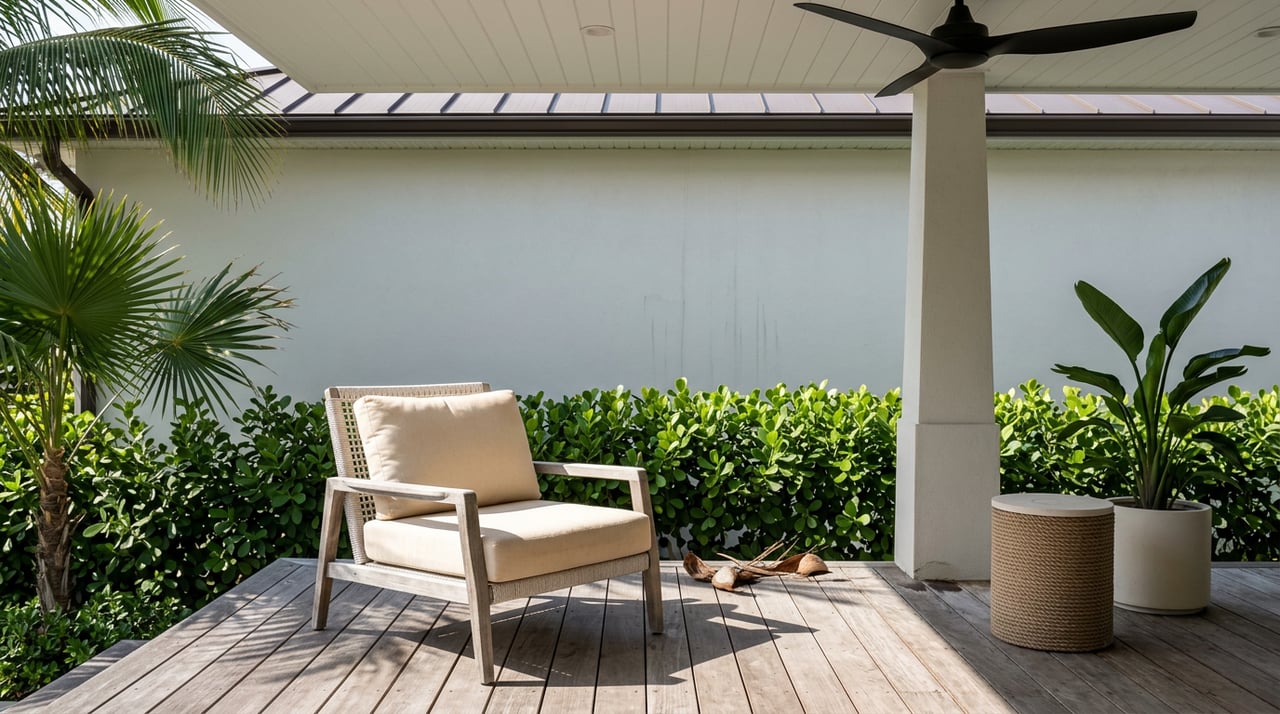
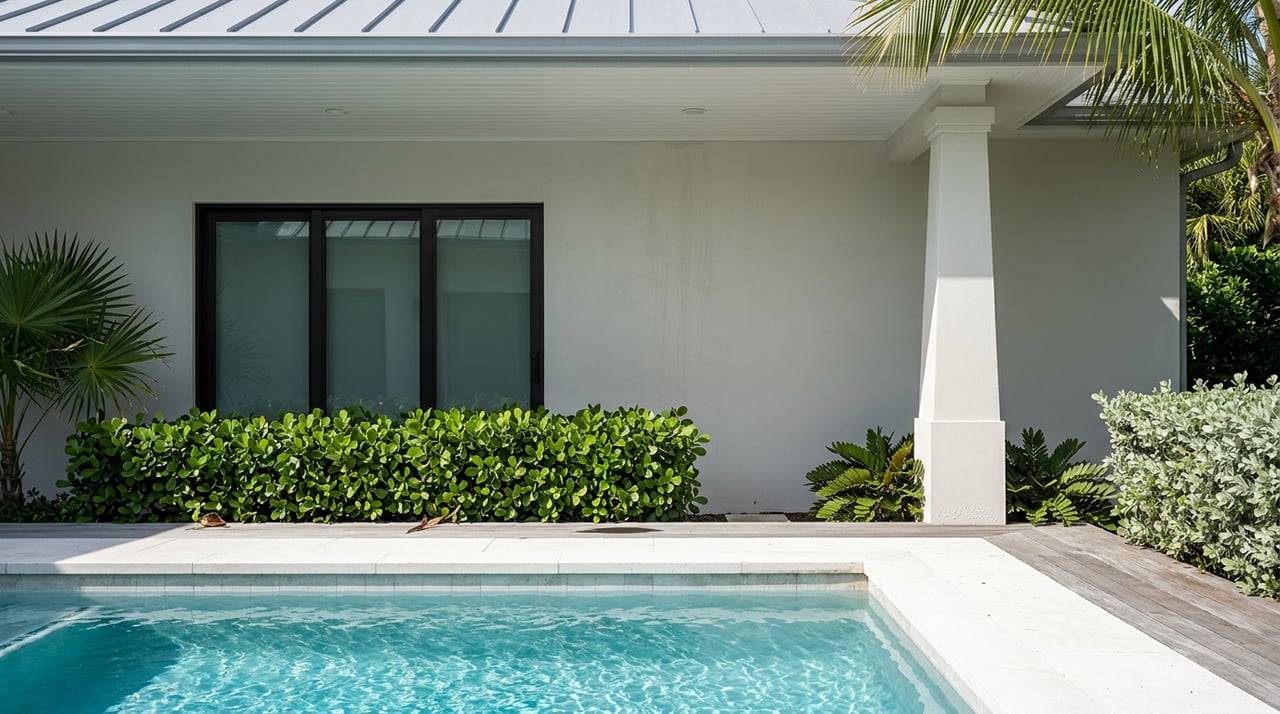
- Elevate outdoor living. Repair or service pool and spa, tidy landscaping, and stage patios and terraces to highlight views and entertaining zones. If you have a lift or slip, present it as part of a smooth indoor‑to‑dock lifestyle.
Months 1–3: Marketing prep and logistics
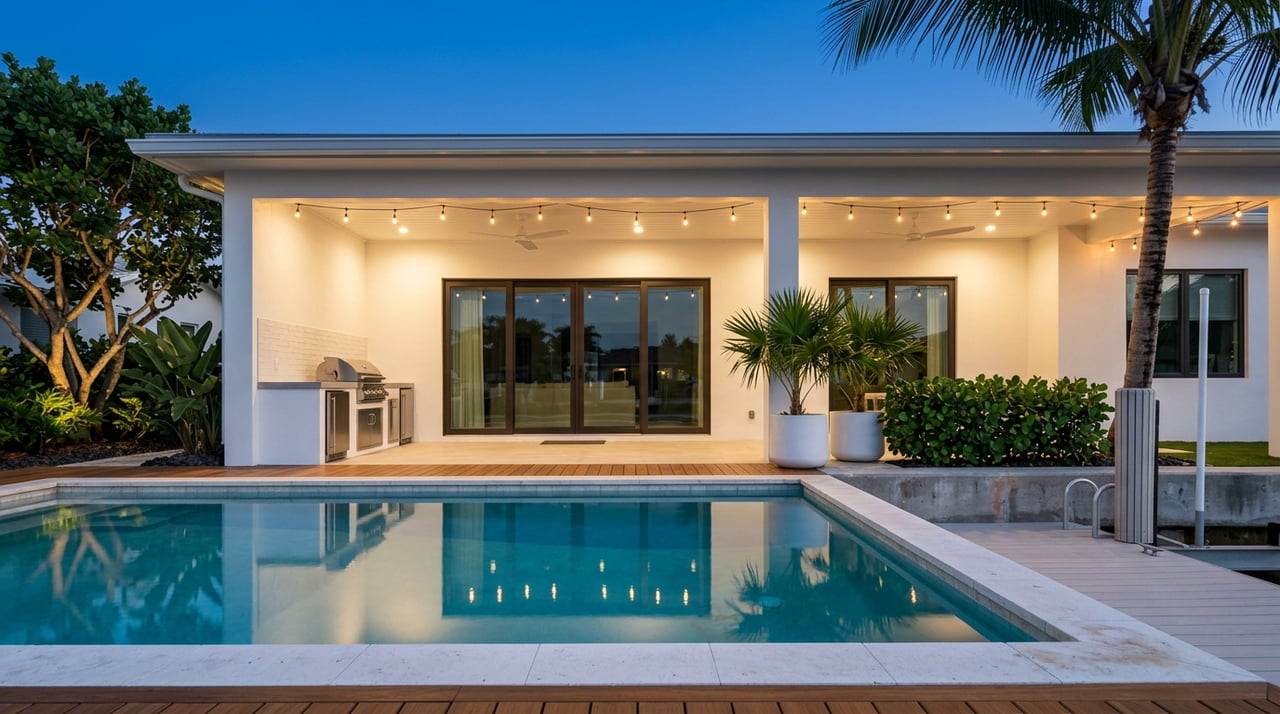
- Book professional photography, video and drone to capture water access and the surrounding lifestyle. Ask for a measured floor plan and twilight images to showcase outdoor lighting and the pool.
- Assemble a disclosure packet for serious buyers: Florida flood disclosure, pre‑listing inspection, recent permits and as‑builts, FKAA or sewer connection proof, and HOA or club documents. Organized records inspire confidence.
- Set showing rules. Decide on minimum notice, agent‑escorted showings, and how you will handle guest occupancy if you rent the home. Coordinate rentals carefully to avoid permit lapses and to protect the guest experience.
Final 0–2 weeks: Polish and launch
- Schedule deep cleaning and professional staging that emphasizes indoor and outdoor flow, resilient finishes and boating amenities. Provide your agent with a staging map so the show‑ready look stays consistent.
- Complete systems checks: A/C filters, pool equipment, generator and lift operation. Create a quick‑reference sheet for buyers that lists recent services and upgrades.
Pricing tiers: What buyers expect by band
Every property is unique, but these Middle Keys tiers can guide your prep and pricing conversation:
Entry‑luxury (about $1M to $2M)
Buyers expect turnkey finishing, reliable dock or ready marina access for typical day boats, hurricane shutters or impact glass, solid mechanicals and clear flood and insurance documentation. Provide a recent full inspection and elevation or insurance documents to strengthen your case.
Premium‑luxury (about $2M to $5M)
Expectations rise for outdoor living and ocean access. Most buyers want an inviting patio, pool or spa, upgraded HVAC and backup power, impact‑rated openings and professional landscaping. New or recently serviced seawalls and permitted docks often tip decisions in your favor.
Top‑tier ($5M and above)
Buyers in this tier expect minimal concessions. Think fully permitted deep‑water docking, elevated or resilient construction, top‑spec finishes and seamless rental management if marketed as an income asset. Discrete, targeted marketing reaches the often out‑of‑market buyer base in this range.
Smart showing strategies for rental properties
If you operate as a vacation rental, create a launch plan that respects guests and protects value:
- Block 3 to 7 days for photography and initial showings. Many owners extend blackouts in winter when buyer visits spike.
- Use only agent‑escorted showings during guest stays with clear, contractually required notice. Some managers require compensation for early checkout—budget for it if needed.
- Keep permits current and post required medallion numbers in ads. Review the County’s Special Vacation Rental Program for rules and timing.
What to gather now
Create a streamlined disclosure folder your agent can share with qualified buyers:
- Deed, survey, as‑built plans and any HOA or POA rules.
- FKAA or sewer connection letter and any assessment history. Use FKAA records like the Duck Key wastewater project documentation.
- Permit scans for roof, dock, seawall, additions and mechanicals. Start with the County’s Completed Permits listing.
- Full pre‑listing inspection and, if applicable, a marine or structural engineer report for dock and seawall.
- Elevation certificate and wind‑mitigation inspection using the OIR form. See wind‑mitigation resources.
- Flood‑history disclosure with any insurance claim numbers or receipts. Confirm your flood zone and mapping via Know Your Flood Risk.
Final check: Protect your price and timeline
Three areas drive the most renegotiations and delays: structural and shore‑work issues, incomplete or missing permits, and unclear flood histories. Tackle these first to reduce risk. A pre‑listing inspection and a complete, well‑organized disclosure pack keep buyers confident and closings on schedule.
When you present a turnkey, boat‑ready home with strong visuals and clear documentation, you invite premium offers from serious luxury buyers who value the Keys lifestyle and practical ownership.
Ready to list with confidence?
If you want discreet, results‑oriented representation and premium marketing that showcases your home’s boating lifestyle, curated outdoor spaces and resilience story, partner with a proven Keys luxury specialist. Connect with Lisa Swanson to discuss your timing, request a data‑driven pricing strategy and get your home launch‑ready. Get Your Instant Home Valuation.
FAQs
What disclosures are required when selling a Duck Key home?
- Florida requires a written flood‑history disclosure, and sellers must disclose known latent defects that affect value and are not readily observable. See Florida Statute 689.302 and Johnson v. Davis.
Should I get a pre‑listing inspection for a Keys waterfront property?
- Yes. A full seller‑side inspection, plus a marine review of the dock and seawall, helps you fix or disclose issues early and avoid canceled contracts. See this NAR overview.
How do I handle unpermitted dock or seawall work before listing?
- Consult a marine or structural engineer, gather as‑builts and permits, and create a remediation or permitting plan to share with buyers. Use DEP’s CCCL resources and the County’s Completed Permits listing.
What steps should I take if my Duck Key home is a vacation rental?
- Keep your County rental permit current, build in blackout windows for launch and follow advance‑notice rules for showings during guest stays. Review the Special Vacation Rental Program.
Will wind‑mitigation documentation help market my home?
- Yes. An updated wind‑mitigation inspection on the OIR form can support lower insurance costs, which many buyers value. Learn more at the Florida Office of Insurance Regulation.
What flood‑related documents should I provide to buyers?
- Provide the state flood‑history disclosure, your elevation certificate, any FEMA map change letters and relevant insurance claim records. Start with Monroe County’s Know Your Flood Risk.