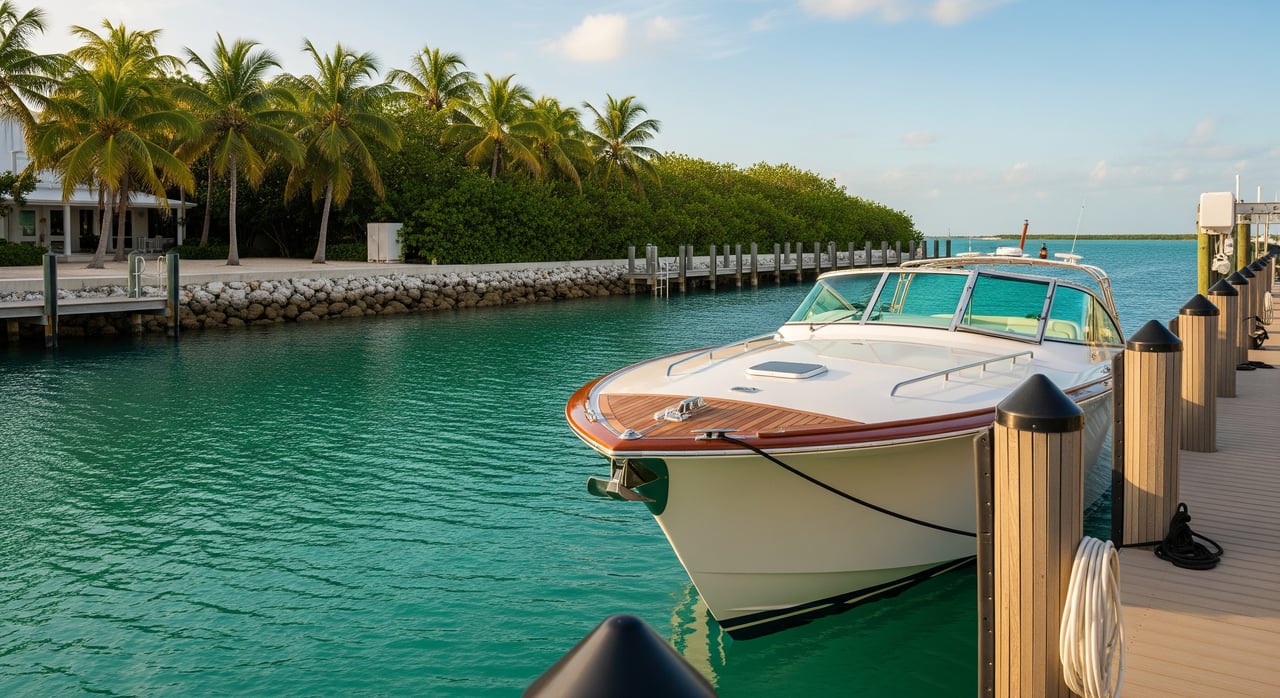
Looking for your perfect Keys home starts with one question: how will you get your boat on the water? If you love reef runs or backcountry flats, the right slip or dock can make all the difference. You want simple, stress-free access with the services and protection your vessel needs. In this guide, you’ll learn how marina choices, canal layouts, utilities, and permits in Tavernier and Plantation Key shape everyday boating. Let’s dive in.
Quick lay of the water
Atlantic vs. Florida Bay routes
You sit between the Atlantic and Florida Bay. From the ocean side, you run toward the reef and the Hawk Channel for offshore and reef fishing. From the bay side, you slide into backcountry flats and shallower grounds. For any slip or dock, confirm your path to marked channels using current navigation sources and local aids-to-navigation updates.
Tides and depth realities
Tidal range is modest in the Upper Keys, but it still matters. Canals and approaches can shoal, and wind can push water levels lower than expected. Confirm depth at mean low tide at the dock and along the approach. Ask for the most recent survey, any dredging history, and who maintains the canal.
Hurricane season planning
Hurricane season runs June through November. Marinas and HOAs handle storms differently. Ask about haul-out capacity, tie-down procedures, and any required pre-storm commitments or fees. If you plan to keep a larger boat in the water, make sure the facility’s hurricane plan fits your risk tolerance.
Marina and dockage options
Public ramps and county marinas
Public facilities typically offer ramps, transient or long-term slips, fuel, and pump-out. Availability can be seasonal. If you trailer or use smaller boats, this can be a smart, low-maintenance option. Confirm parking rules, fees, and any liveaboard restrictions.
Private and commercial marinas
Full-service marinas can include fuel, shore power, mechanics, haul-out, bottom paint, and security. Contracts vary. Expect proof of insurance, utility metering, and seasonal pricing. If you value turnkey support and a defined hurricane plan, this route is attractive.
Condo or community slips
Some neighborhoods provide resident-only slips or assignable spaces. Policies vary: assigned, rentable, first-come, or waitlisted. Confirm transfer rules if you plan to buy a home with a slip appurtenant to the residence.
Private docks at home
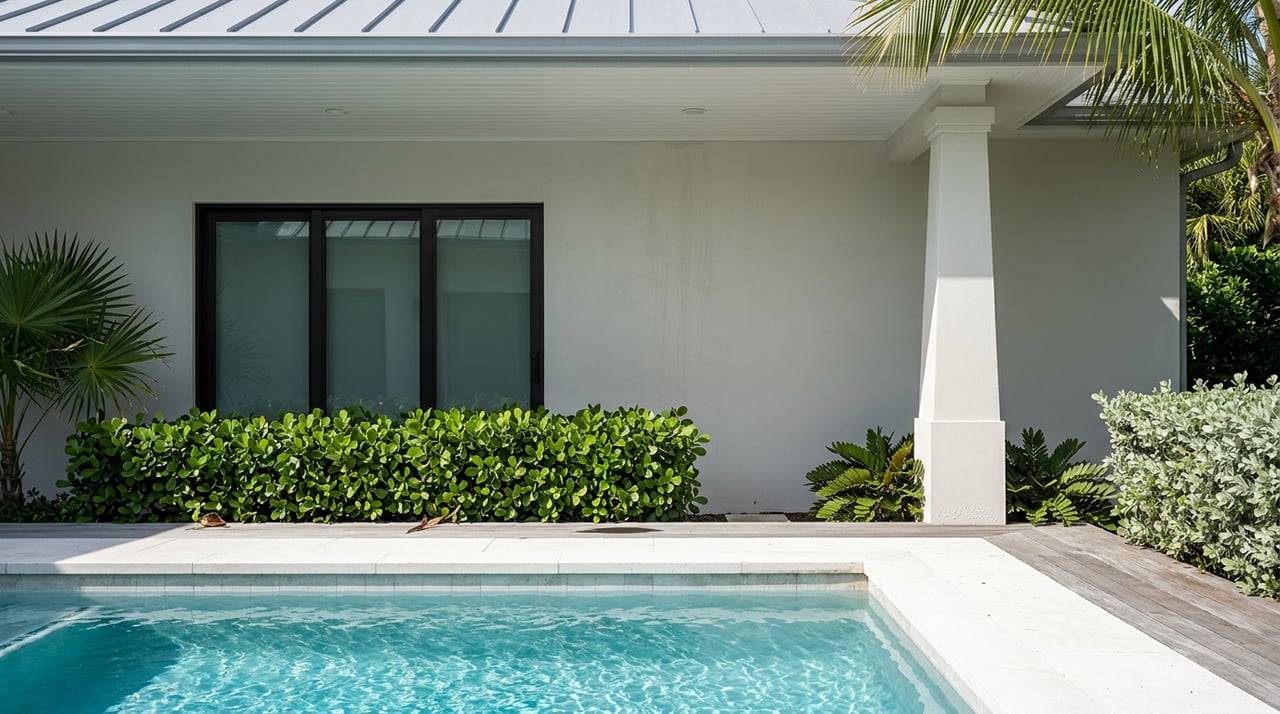
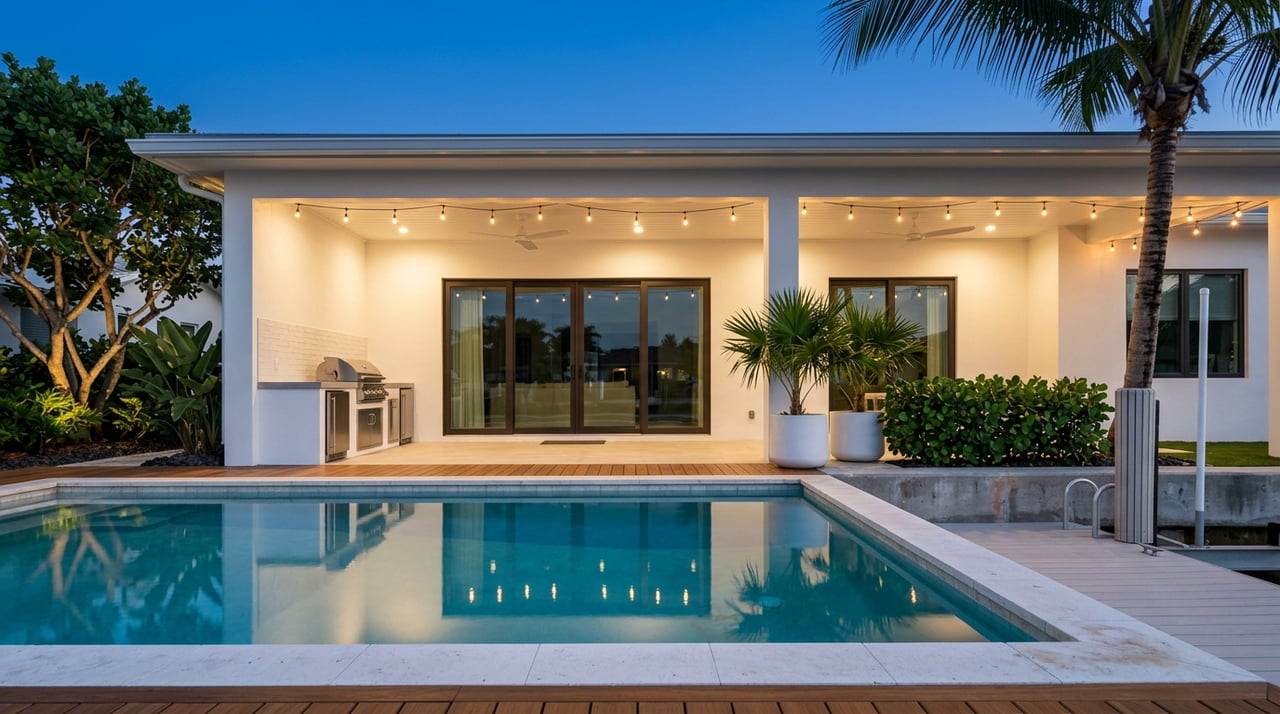
Canal-front homes in Tavernier and Plantation Key often feature fixed-pile docks with finger piers or T-heads. Floating docks show up less frequently. Side-tie setups are common, but the canal’s width and turning room dictate what you can realistically keep on the lift or at the pier. Verify the dock’s permits, condition, and utilities.
Utilities and services to confirm
- Shore power: 30A, 50A or 100A availability and pedestal type
- Fresh water at the slip and reliable supply pressure
- Pump-out access and hours
- Fuel access nearby and fuel dock hours
- Haul-out and service capacity, travel lift tonnage, and on-site mechanics
- Security, lighting, and insurance requirements for slipholders
Canal-front living: what to check
Canal width and turning room
Narrow canals limit maneuvering and practical boat length. Look for turning basins near your dock and a straight approach. Ask current owners what size boats have used the canal in recent years.
Depth at low tide
Depth varies by canal and season. Shoaling happens, especially near entrances. Request depth at mean low tide at the dock and along the approach, plus any records of dredging or maintenance responsibility.
Seawalls and bulkheads
Seawall age and condition affect safety and cost. Ask about recent repairs, who performed them, and whether warranties transfer. Replacement or reinforcement often requires permits and careful planning.
Bridges and overhead clearance
If your route includes a fixed bridge, measure your vertical clearance needs carefully. Sailboats and taller center consoles should verify heights with current charts and local data before committing to a property or slip.
Ocean side vs. bay side
- Ocean side: Better for frequent runs to the reef, Hawk Channel, and offshore. Expect higher demand and pricing for direct ocean access.
- Bay side: Great for backcountry and flats. Shallow-draft boats excel here. Confirm depths along the entire route to open water.
Match your boat and lifestyle
- Offshore angler with a large center console or express: Seek ocean-side or deep-water canals with documented depth at low tide and ample turning room. A full-service marina with haul-out may be the simplest strategy.
- Backcountry skiff and flats focus: Bay-facing properties or shallow-water access can be ideal. Draft matters more than infrastructure. Confirm seagrass protections and no-anchor zones.
- Weekend recreational boater: A community marina or rentable slip can reduce maintenance and fixed costs while keeping access easy.
- Owner who wants low management: Consider a non-waterfront home plus a marina slip or dry storage where available. You trade instant access for less upkeep.
- Sailor: Verify bridge clearances and deeper slips. If you step masts or require rigging services, confirm those capabilities in advance.
Permits, rules, and insurance basics
Permitting touchpoints
Docks, seawalls, lifts, and dredging often require permits and inspections. In the Upper Keys, expect coordination with Monroe County, state environmental agencies, and, for in-water work, possible federal review. Confirm that existing structures were properly permitted and that permits can transfer or be modified.
Environmental and sanctuary rules
Protected seagrass, reef zones, and mooring buoy systems shape how you anchor, transit, and construct. Some backcountry spots use managed mooring buoys with limited availability. Get familiar with sanctuary rules and state boating regulations, especially if you fish or anchor frequently.
Insurance and marina policies
Marinas and HOAs often require hull insurance and may ask to be named as an additional insured. Liveaboard rules vary. Ask for written policies covering hurricanes, haul-outs, and utility billing so there are no surprises.
Buyer due diligence checklist
- Ownership and permits
- Confirm dock inclusion in the sale and riparian rights documentation.
- Obtain copies of permits for the dock, seawall, lift, and any dredging.
- Verify any recorded maintenance dredging plan and who pays for it.
- Depth and access
- Document depth at mean low tide at the dock and along the approach, plus survey dates.
- Ask for examples of similar-size boats that have used the canal recently.
- Identify bridge or overhead restrictions and typical no-wake areas.
- Infrastructure and services
- Note shore power amperage, water availability, pump-out access, and nearby fuel.
- Confirm haul-out capacity, on-site mechanics, and service options.
- Review security measures, lighting, and slipholder insurance requirements.
- HOA and marina rules
- Determine slip assignment, rental options, waitlists, and transfer rules.
- Request hurricane procedures and any required pre-storm fees or commitments.
- Review guest-slip policies and liveaboard restrictions.
- Financial and risk
- Request historical costs for dock and seawall maintenance.
- Ask about HOA assessments related to marine infrastructure.
- Check insurance premiums and any special underwriting related to the dock or lift.
Timing and access expectations
How long will it take you to reach the reef or favorite flats? It depends on the property’s side of the island, canal depth and width, no-wake zones, and proximity to marked channels. Plan for calm-weather transit when you test a route, and verify depths and clearances against current charts and local knowledge. Set expectations early so your property choice matches your typical boating day.
Work with a trusted Keys advisor
If boating access drives your purchase, align the property with your boat and your habits before you write an offer. That means verifying permits, confirming depths at low tide, and reviewing marina or HOA rules in writing. With deep Upper Keys experience and concierge transaction management, Lisa Swanson coordinates with your surveyor, closing team, and local marina managers so your slip or dock supports how you actually boat. When you are ready to compare specific neighborhoods and canal systems in Tavernier and Plantation Key, connect with Lisa Swanson for tailored guidance.
FAQs
How deep are residential canals near Tavernier and Plantation Key?
- Depths vary by canal and season; confirm depth at mean low tide with recent surveys, ask about dredging history, and verify who maintains the canal.
Do private docks transfer with the house in the Upper Keys?
- Often yes, but you should confirm riparian rights and dock inclusion in the contract, and obtain copies of permits to ensure transferability and compliance.
What hurricane preparations do marinas typically require?
- Policies vary, but many require a written plan, proof of insurance, tie-down procedures, pre-storm haul-out reservations, and possible additional fees during hurricane season.
Are there bridge or clearance limits for sailboats around Plantation Key?
- Some routes include fixed bridges; verify vertical clearance with current charts and local data to ensure your mast height is compatible before committing.
Where can I learn about mooring buoys and protected areas?
- Review Florida Keys sanctuary and state boating rules for mooring buoy use, no-anchoring zones, and seagrass protection, and confirm local practices before you anchor.