Shopping for a second home in Marathon can feel simple at first glance. It is all waterfront, right? In reality, Marathon spans multiple waterfront settings, and each one offers a different mix of boating access, exposure, canal design, and day-to-day lifestyle. If you are weighing where to buy, this guide will help you compare Marathon’s key waterfront areas so you can focus on the fit that makes the most sense for your goals. Let’s dive in.
Why Marathon Waterfront Choice Matters
Marathon is not one uniform waterfront market. City materials describe a mix of live-aboards, residential canals, condominium-backed slips, and charter-boat activity across the city from roughly Mile Marker 47 to Mile Marker 60.
That variety is a major reason second-home buyers need to compare areas carefully. In Marathon, the right waterfront choice is not only about views. It is also about how you plan to boat, whether you want protected water or open-water access, and how flood and permitting issues may affect ownership.
The city also states that all of Marathon is in a coastal floodplain or special flood hazard area. That makes exposure, elevation, dock reach, and infrastructure central parts of the buying decision rather than details to review later.
Compare Bayside and Oceanside
Bayside offers more protected boating
On Marathon’s bayside, nearshore depth is generally better than on the ocean side. According to city planning materials, bay-side shorelines often have about five feet or more of water nearshore.
For many second-home buyers, that translates into a more protected, marina-oriented feel. If you picture weekends centered on dock time, cruising culture, and easier access to sheltered water, the bayside often stands out.
Boot Key Harbor is the best-known example. The city describes it as entirely within Marathon city limits, with weather protection, a 226-ball mooring field, two Atlantic entrances, and a main west entrance with about six feet of depth at mean low water.
That protected-water setting gives this part of Marathon a different personality. It tends to appeal to buyers who want a boating-first environment rather than a beach-first one.
Oceanside favors Atlantic access
The oceanside has a different draw. City documents say most deep-water fishing and virtually all diving are concentrated on the Atlantic side of Marathon.
That makes the oceanside especially appealing if you want quicker orientation to the Atlantic and a setting that feels more open and breezy. Buyers who care about offshore runs, diving access, or an ocean-facing atmosphere often start their search here.
There is an important tradeoff, though. The city notes that nearshore waters on the ocean side are generally shallower, so boating access is usually provided by dredged canals and channels rather than direct shoreline depth.
In simple terms, the oceanside may align well with your lifestyle, but the exact canal and channel setup matters even more. Two homes that seem close on a map can offer very different boating practicality.
Boot Key Harbor for Cruising Culture
Why Boot Key Harbor stands out
If your ideal second home includes a strong boating community, Boot Key Harbor deserves close attention. The city identifies it as a protected harbor with marina services and a strong cruising culture.
City planning documents also note that Boot Key Harbor serves as a staging area for Bahamas trips and is one of the few truly protected anchorages in the Middle and Lower Keys. That gives it a practical and social identity that many buyers find compelling.
This area is often the clearest fit for buyers who want protected mooring, a harbor-centered atmosphere, and easy connection to a serious boating lifestyle. It is less about direct beach character and more about shelter, services, and maritime function.
Who may prefer this area
Boot Key Harbor may be a strong match if you want:
- Protected water
- A marina-heavy setting
- Strong cruising and boating culture
- Easier mooring options
- A second home centered on the water rather than the beach
If that sounds like your version of the Keys, this area can be one of Marathon’s most distinctive choices.
Shelter Bay, Bonefish Bay, and Canal Living
Protected canal systems have a different feel
Many of Marathon’s most useful waterfront submarkets are canal- or basin-based. The city says many areas have dredged canals and boat basins that offer shelter from strong currents, wind, and waves.
City documents specifically call out Boot Key Harbor, Shelter Bay, and Bonefish Bay as heavily used natural protected areas. For second-home buyers, that often points to a quieter style of waterfront ownership.
Instead of a broad open-water setting, these areas tend to offer a more sheltered dock-living experience. If your priority is keeping a boat behind the house in calmer water, these canal systems can be especially attractive.
Why quieter dock living appeals
Shelter Bay and Bonefish Bay can appeal to buyers who want waterfront function without the more exposed feel of direct ocean-side positioning. The city describes these areas as protected zones with canal and deep-water access.
That does not mean every home offers the same boating ease. It means the area type tends to support a more sheltered experience, which can be appealing for part-time owners who value simplicity and predictability.
For many second-home buyers, that balance matters. You may want boat access and a private dock, but you may not want the added variables that can come with more exposed waterfront locations.
Cocoplum and Fat Deer Key Access
Canal position matters here
The Cocoplum and Fat Deer Key canal systems deserve their own category because access details can shape the ownership experience. City planning materials identify canals on Fat Deer Key in the Cocoplum Beach subdivision and note that the Cocoplum Beach channel entrance is used mainly by commercial traffic.
That suggests an access-oriented waterfront where the exact canal mouth matters. In this part of Marathon, broad area selection is only the first step.
A property may look ideal in photos, but the real question is how your dock position connects to the channel system you will use most often. For a second-home buyer, that is the kind of practical detail that can strongly affect long-term enjoyment.
The oceanside lifestyle factor
Cocoplum also connects to the Atlantic-side identity many buyers want. The city describes Coco Plum Beach as an Atlantic beach with a more natural setting and an adjacent wetland area.
For some buyers, that creates a strong mix of canal access and ocean-oriented surroundings. If you want an Atlantic feel but prefer a canal-front home rather than direct open-water exposure, this part of Marathon may deserve a closer look.
Vaca Cut and Channel Access
Channel routes affect real-world boating
Across Marathon, channel access is a major part of waterfront value. The city says bay-side residents use Moser Channel, Vaca Cut, and Tom’s Harbor Channel to reach open water, and it notes that virtually all users in the city traverse Vaca Cut.
That makes channel logistics important, especially if you plan frequent offshore runs or own a larger boat. A home’s waterfront label is only part of the story. The route from dock to open water matters just as much.
The city also flags current and prop-scarring concerns in Vaca Cut. That is one more reason to review exact channel position, boat draft, and navigational practicality before you buy.
Questions to ask before you commit
When you compare one waterfront home to another, ask:
- Can your boat reach the dock comfortably?
- How does the dock connect to the primary channel?
- Is the route practical for how often you plan to use the boat?
- Does the location support the type of boating you actually do?
These are not minor details in Marathon. They are core parts of choosing the right second home.
Beaches, Atmosphere, and Daily Use
Some buyers want harbor, others want Atlantic energy
Your ideal second home is not only about the boat. It is also about how the area feels when you are not on the water.
On the Atlantic side, Marathon’s public beach areas reinforce a more ocean-facing identity. The city describes Sombrero Beach as a sandy Atlantic Ocean park, while Coco Plum Beach is described as more natural in character.
That can matter if your second-home routine includes morning beach walks, time outdoors, and a stronger Atlantic backdrop. By contrast, harbor and bayside settings often feel more tied to docks, marinas, and cruising activity.
Neither is better across the board. The right choice depends on whether you want your off-boat time to feel more beach-oriented or more boating-centered.
Flood, Insurance, and Rebuild Planning
Flood risk is central in Marathon
In Marathon, flood risk is not a side issue. The city says all of Marathon is in evacuation zone 3 and states that home insurance does not cover flood damage and that flood insurance is required.
That means every second-home buyer should review flood information before closing. The city encourages buyers and sellers to request flood information as part of the transaction process.
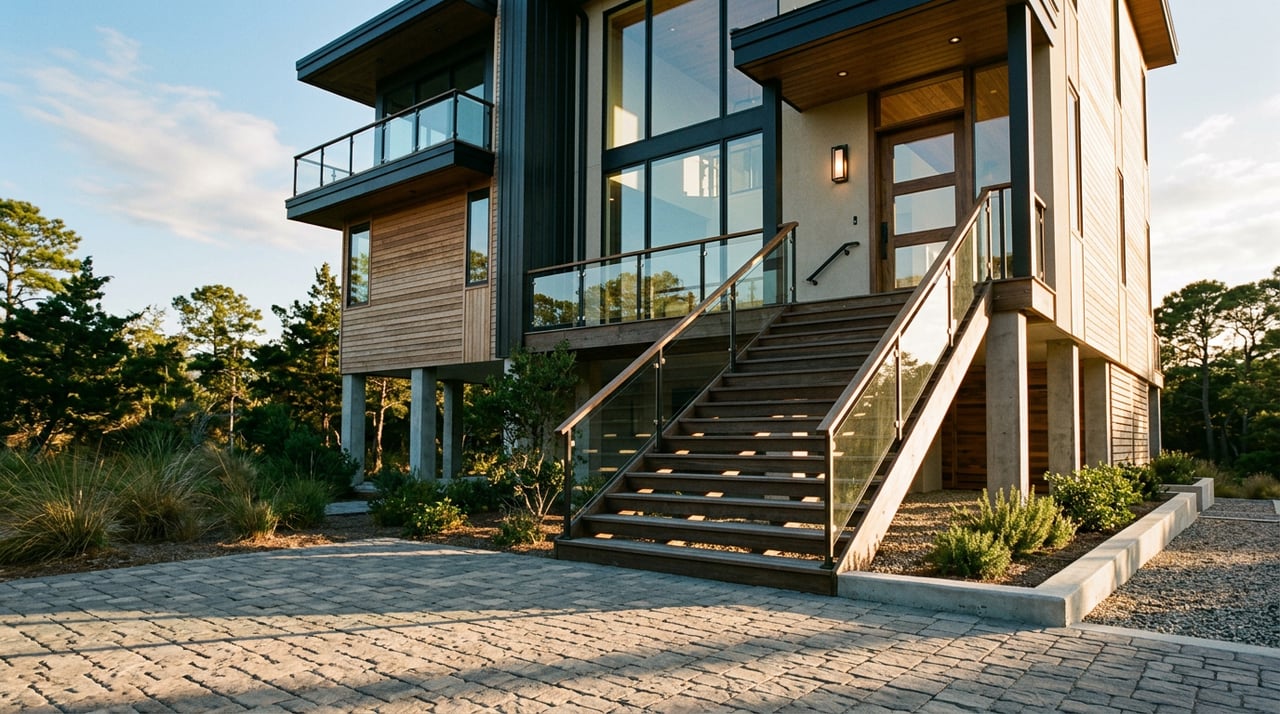
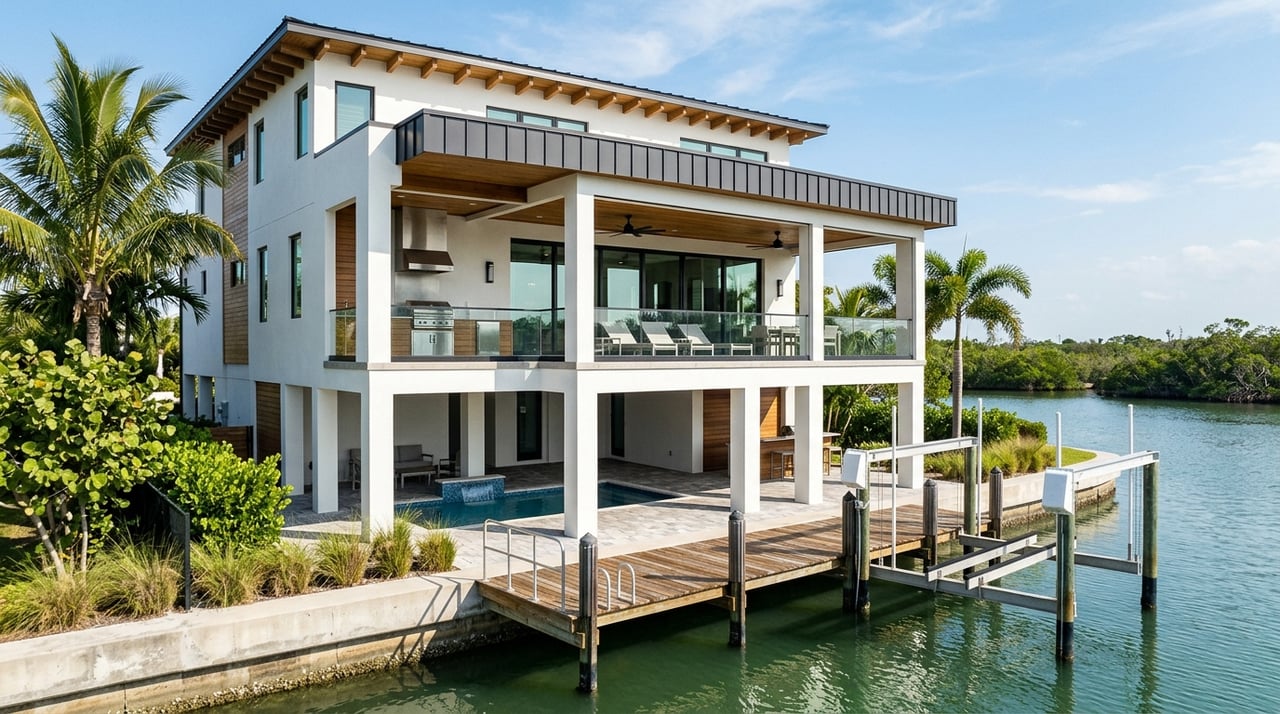
This is especially important on the waterfront, where elevation, foundation type, and building history can shape both ownership costs and future flexibility. City materials related to floodplain management and inspections show that elevated construction is a common part of the local housing product.
Rebuild timing can affect value
If you are considering a vacant lot, a teardown opportunity, or a property that may need a major replacement, Marathon’s permitting process matters. The city states that all new residential structures must obtain a BPAS allocation and that allocations are issued only twice a year.
For second-home buyers, that can materially affect feasibility and timing. A waterfront parcel may look attractive on paper, but redevelopment planning needs a more careful review than in a typical inland market.
That is one reason street-by-street analysis matters in Marathon. Two properties can seem similar until flood, elevation, and BPAS timing enter the conversation.
Vacation Rental Planning
Do not assume rental use is available
If rental income is part of your second-home strategy, verify the property early. The city says it actively combats illegal rentals and provides an address search so buyers can confirm whether a property has a vacation rental license.
The city also offers training, application, renewal, and transfer forms for vacation rentals. It further states that the Monroe County Tax Collector issues occupational licenses, while the city verifies whether the proposed business use is allowed at the location.
That means rental potential should be tested by address, not assumed by neighborhood. In Marathon, this is an essential part of due diligence for a second-home buyer.
Which Marathon Waterfront Area Fits You Best
Best fit by ownership style
As a quick summary, your best fit may look like this:
- Boot Key Harbor or bayside if you want protected cruising water, mooring-field culture, and a marina-oriented atmosphere
- Oceanside near Sombrero or Coco Plum if you prioritize Atlantic access, diving, fishing, and a more beach-oriented feel
- Shelter Bay, Bonefish Bay, or similar canal systems if you want quieter dock living and more sheltered water
- Ramp- and channel-conscious locations if you trailer boats or expect guests to bring boats regularly
The key is to match the area to your real use pattern. In Marathon, that usually leads to a better decision than starting with home style alone.
Buying a second home in Marathon is often about narrowing down the kind of waterfront life you want first, then selecting the property that supports it. If you want a discreet, data-informed view of Marathon’s micro-markets, channel access, and waterfront fit, Lisa Swanson offers polished, high-touch guidance across the Florida Keys.
FAQs
What is the main difference between bayside and oceanside waterfront in Marathon?
- Bayside areas generally offer better nearshore depth and a more protected boating feel, while oceanside areas are more closely tied to Atlantic access, with boating often relying on dredged canals and channels.
Is Boot Key Harbor a good fit for second-home buyers in Marathon?
- Boot Key Harbor can be a strong fit if you want protected water, marina services, mooring options, and a boating-centered atmosphere with a strong cruising culture.
Are Marathon canal-front homes all the same for boating access?
- No. City materials show that canal and channel systems vary, so dock reach, canal position, and the route to open water should be reviewed property by property.
Should second-home buyers in Marathon check vacation rental rules before buying?
- Yes. The city provides tools and licensing information so buyers can confirm whether a specific address has or can pursue vacation-rental use.
Why is flood review so important for Marathon waterfront homes?
- The city states that all of Marathon is in a coastal floodplain, flood insurance is required, and flood information should be reviewed before closing, especially for waterfront properties.
Can rebuild plans affect a Marathon second-home purchase?
- Yes. For new residential construction, the city requires a BPAS allocation, and allocations are issued only twice a year, which can affect project timing and feasibility.