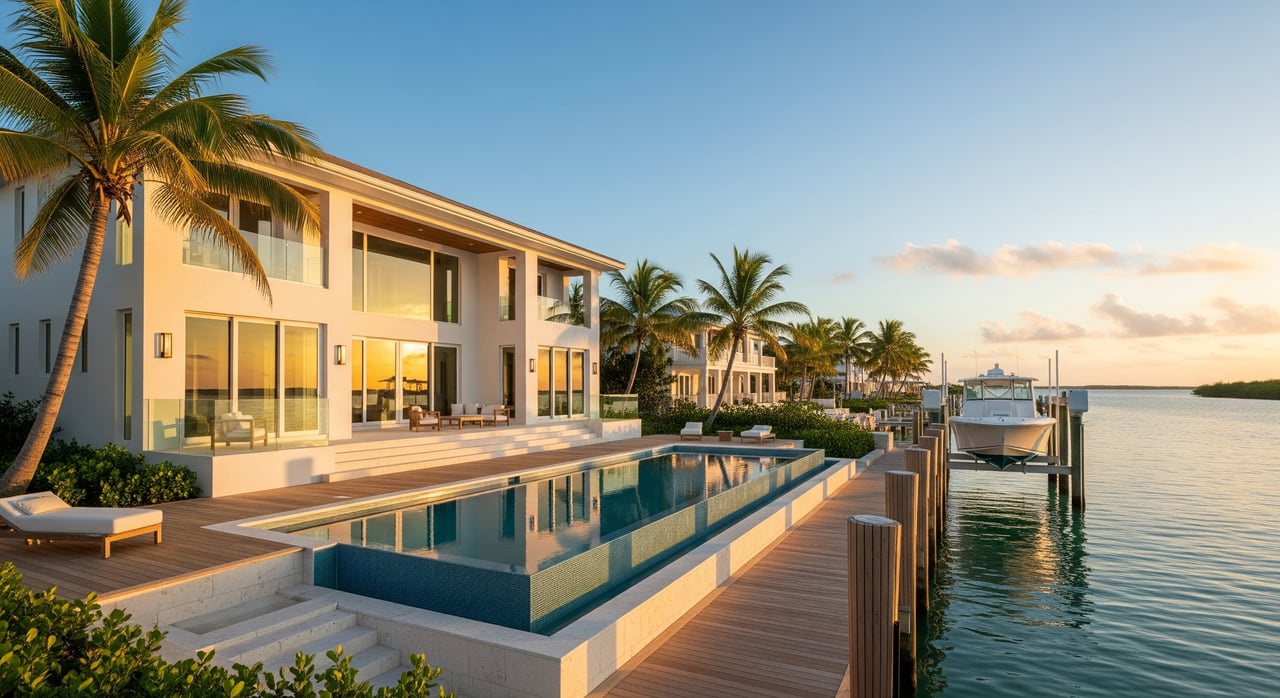
You know Ocean Reef is different. Between private marina access, Equity membership rules, and a limited number of true waterfront homes, pricing here is more art and precision than a simple average. If you want top dollar, you need a plan anchored in data and the realities of the Keys. This guide gives you a clear, local framework to price with confidence and avoid costly surprises. Let’s dive in.
What moves price in Ocean Reef
Water and access
Not all water is equal. Direct blue water or ocean exposure typically commands the highest premium, while canal or bay frontage varies by width, orientation and draft. Depth at the dock, especially at mean low water, drives usability for larger vessels and should be verified. See appraisal guidance on waterfront valuation to understand why depth, exposure and water quality matter most (waterfront appraisal overview).
Dockage and slips
Dockage is a major value lever. A deeded or transferable slip that fits a larger yacht, has power and a favorable position can add significant value. Availability at the Ocean Reef Marina is limited, and slip size and transfer rules affect demand (Ocean Reef Marina details).
Seawall and shoreline condition
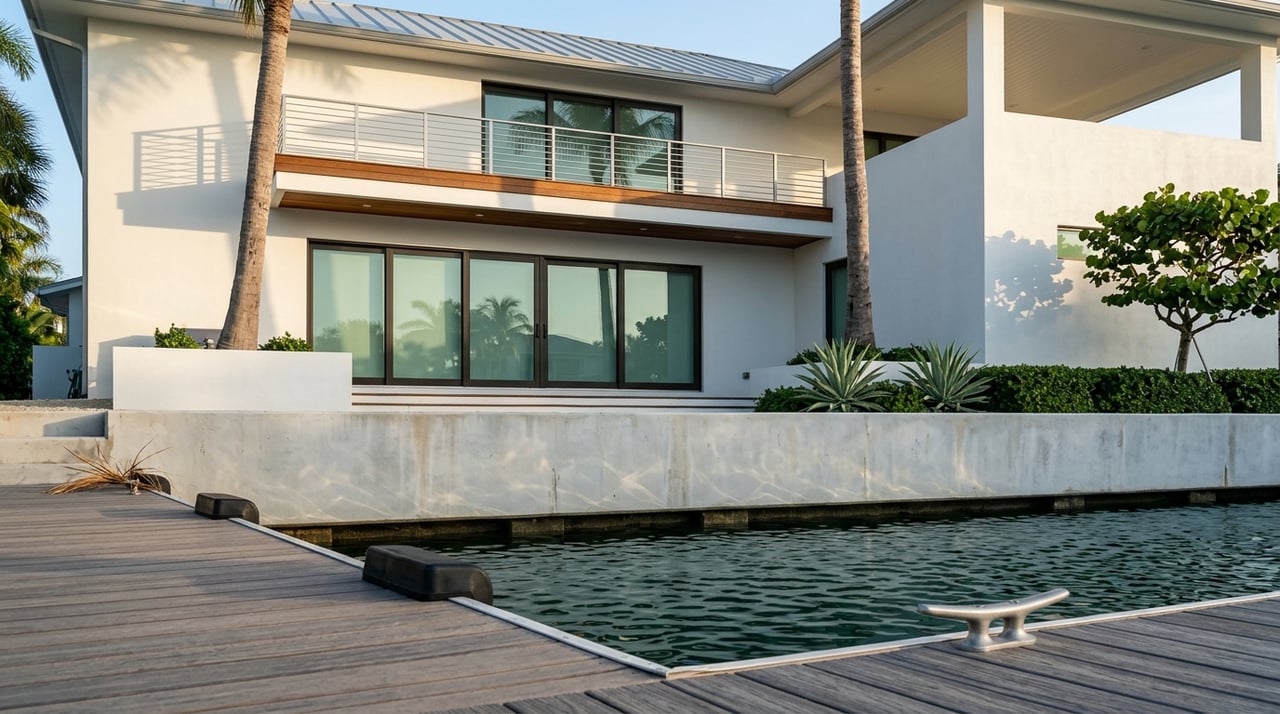
Seawalls, bulkheads and lifts are expensive to repair or replace in the Keys. Document age, visible wear and any recent permits or engineering. Material fixes or unknown permit history warrant price adjustments, since permitting and construction can be complex and costly in coastal zones (dock and shoreline factors).
Flood zone and elevation
Your FEMA flood zone and base flood elevation influence insurance, lending and long‑term resilience. Monroe County’s coastal flood maps have changed in recent years, so confirm the effective FIRM panel and any preliminary map updates before pricing (Monroe County flood maps).
Insurance and dues
Flood and wind premiums in Monroe County are among the highest in Florida, and Risk Rating 2.0 ties cost to actual risk. Recent renewal quotes and mitigation features often sway buyer affordability and negotiation outcomes (flood insurance overview). Ocean Reef also requires Equity membership for property‑owning buyers, and initiation and annual dues affect carrying costs and buyer pool (membership guidance).
Amenities and lifestyle
Ocean Reef’s privacy and amenities create a lifestyle premium that nearby non‑club waterfront cannot replicate. Proximity and access to features like Buccaneer Island, golf and the private airstrip contribute to perceived value, especially for second‑home and yachting buyers (amenity snapshot).
Regulatory factors to verify
FEMA maps and elevation
Confirm the current flood zone, BFE, and whether any preliminary maps or appeals could change underwriting. If no elevation certificate exists, obtain one to clarify risk and potential insurance costs (county flood map resource).
Dock, dredge and seawall permits
Marine structures typically require permits from Florida DEP, the U.S. Army Corps and Monroe County. Unknown or unpermitted docks, dredging or seawall work can trigger lender and insurer issues, or require remediation. Collect permits, as‑builts and surveys early (Florida DEP dock guidance).
Growth controls and build rights
The Keys’ ROGO/NROGO system limits development and can affect expansion or redevelopment plans. Lots with entitlements or recent permits may carry meaningful premiums versus similarly located parcels without them (ROGO overview).
Long‑term water and climate risk
Sea‑level rise and tidal flooding scenarios matter for long‑horizon buyers. Use local projections to inform conversations about elevation, future adaptation and potential buyer pool shifts (NOAA sea‑level scenarios).
A step‑by‑step pricing plan
1) Assemble the right documents
- Elevation certificate or boundary survey with spot elevations.
- Dock, lift and seawall permits and any engineering reports.
- Recent flood, wind and homeowners insurance renewals and a sample quote.
- Club membership initiation and transfer details from Ocean Reef.
- Full MLS history for the subject and recent Ocean Reef comparables.
2) Choose micro‑local comps
- Match the same water type and exposure (ocean, bay, canal) and similar navigation depth.
- Align dockage (deeded vs. assigned slip, length and power) and seawall condition.
- Keep flood zone and structural elevation comparable.
- Favor sales in the past 6–12 months and stay inside Ocean Reef when possible.
3) Quantify adjustments, not just percentages
- Water depth at mean low water and slip length rating.
- Seawall age and condition, or required replacement.
- Elevation vs. BFE and presence of impact windows, roof age and storm mitigation.
- Insurance costs and membership obligations that affect net carrying costs.
4) Time your launch
- Ocean Reef’s buyer activity is seasonal, with strong winter demand. If strategy allows, prepare marketing in late summer or fall to capture peak winter showings.
5) Package the value story
Create a concise appendix that includes: FEMA zone and BFE, elevation certificate, marine permits, insurance quotes, membership transfer rules and 3–6 strong closed comps with photos. This reduces risk friction for buyers and underwriters and supports your price.
When to adjust price
- Unpermitted or non‑compliant dock or seawall identified during due diligence.
- Preliminary FEMA map changes that increase BFE or insurance requirements.
- Insurance non‑renewal or sharply higher premiums without viable alternatives.
- Seawall or piling issues that require near‑term replacement.
Market context to watch
- Key Largo’s median prices remain high by Florida standards, though monthly metrics and days on market fluctuate. Use Ocean Reef sales for pricing, but watch larger Key Largo trends to understand buyer sentiment and absorption (Key Largo snapshot).
- Inside Ocean Reef, pricing spans from mid‑seven figures to well into eight figures. Averages can be misleading, so lean on property‑specific attributes.
Your Ocean Reef advantage
You win on price when your home’s waterfront, elevation, marine infrastructure and carrying costs are crystal clear to qualified buyers. If you want a seasoned, data‑driven approach with premium presentation, reach out to Lisa Swanson for a confidential strategy session tailored to Ocean Reef.
FAQs
How do you value a dock or slip in Ocean Reef?
- Value depends on slip size, water depth at low tide, power and transferability, with larger transferable slips typically commanding the biggest premiums; verify with marina details and recent Ocean Reef sales (marina info).
Do FEMA flood map changes affect Ocean Reef pricing?
- Yes, a shift into a higher‑risk zone or higher BFE can raise insurance costs and alter lending terms, which often reduces market value; confirm current and preliminary maps before setting price (county flood maps).
What membership costs should Ocean Reef buyers plan for?
- Equity membership is required for property owners, and initiation plus annual dues affect overall carrying costs; confirm current fees and transfer rules with the Ocean Reef membership office (membership overview).
How do insurance costs impact offers in the Keys?
- Higher flood and wind premiums reduce buyer affordability and can drive tougher negotiations; present recent renewals and a sample quote to support your pricing strategy (flood insurance guide).
Can I sell with an unpermitted dock or seawall in Key Largo?
- You can, but unpermitted marine structures create lender and insurer risk and may require remediation or retroactive permits; address early to avoid price reductions or delays (DEP dock permitting).